
By now it is clear: the eCommerce boom is unstoppable, and despite the reopening of traditional shops, online sales figures have not stopped growing in 2021, quite the contrary.
Consumers have become accustomed to the convenience and simplicity of online shopping, so much so that, for example, by September 2021, the turnover of the web channel in the large-scale retail sector alone had already exceeded expectations, reaching +27% compared to the same period in 2020 (a year in which, as we know, online shopping was in fact a necessity due to the restrictions to contain the pandemic).
In the face of this scenario, knowing and forecasting future developments in the eCommerce market is crucial for merchants who want to exploit the potential of this historic moment and be ready for the constant innovations in the sector.
For this reason, we have already told you here about the five main technology trends for the near future. The news, however, is not finished and in this article we will tell you more.
Here, then, are the three main innovations in online shopping that one cannot help but be aware of.
1. Live streaming shopping
This trend originated in China, but soon caught on in America and Europe as well and is now definitely among the most interesting innovations to watch out for in the near future.
Live streaming shopping is much more than the simple evolution of traditional TV shopping, but fully represents the digital evolution of contemporary society.
The basic model is similar to that of traditional media: a presenter speaks and presents a product that the end user can then purchase instantly. Unlike traditional media, however, it is possible to place orders directly via a link to the articles on the eCommerce channel. In other words, the end-user is channelled directly to the product page of interest, speeding up the sales process and appealing above all to impulse buying on the part of the consumer.
The volume of business driven by this type of sale is constantly growing and more and more brands (especially in the fashion and personal care sectors) are moving to carry out projects of this type on their online sales channels.
2. Social shopping
Social media are now also digital sales channels in their own right. Platforms such as Instagram and Facebook, for example, have created their own marketplaces from which users can purchase the desired products directly.
A number of realities, again especially in the fashion and personal care product sectors, have sprung up basing their sales model precisely on these channels and on what is called ‘Influencer marketing’.
If for a merchant to be present online with its own eCommerce sales channel today is no longer a choice but a duty, the same principle may soon be true for social channels. And it is no longer just a question of opening a profile on, for example, Instagram, but of being able to devise targeted sales strategies for that specific channel.
3. Voice shopping
Voice shopping could not be missing from the list of innovations regarding online shopping. Voice assistants, in fact, are now able to assist us in any of our needs, including shopping.
A trend that users like and which, as recent research also shows, works. The business volume expected for 2022 as regards voice shopping is 40 billion dollars, with over 27 million devices already sold in the USA, taking into account only some of the most famous voice assistants available on the market (Amazon Alexa and Google Home).
In practice, voice assistance supports the user mainly in product search and selection, and then finalises the purchase via computer or, increasingly, via smartphones and tablets.
Logistics: new trends for last mile deliveries
Voice shopping, social shopping and live streaming shopping, however, are all three new ways of selling and buying online that always have one factor in common: logistics.
Online orders, in fact, regardless of how they are purchased, must be delivered to the end user via a logistical process that is gaining increasing importance and attention from consumers.
The delivery methods offered by an eCommerce and their relative sustainability are elements that have their own relevance, and being able to offer innovative and ‘green’ methods is an increasingly important factor in ensuring the success of a sales channel.
Thanks to technology, in fact, it is now possible to let the end user choose the desired pick-up location and time, and even modify them as required. A solution appreciated by both users and couriers, who can thus avoid empty trips and also save on the environmental impact of last-mile deliveries.
Innovating with GEL Proximity
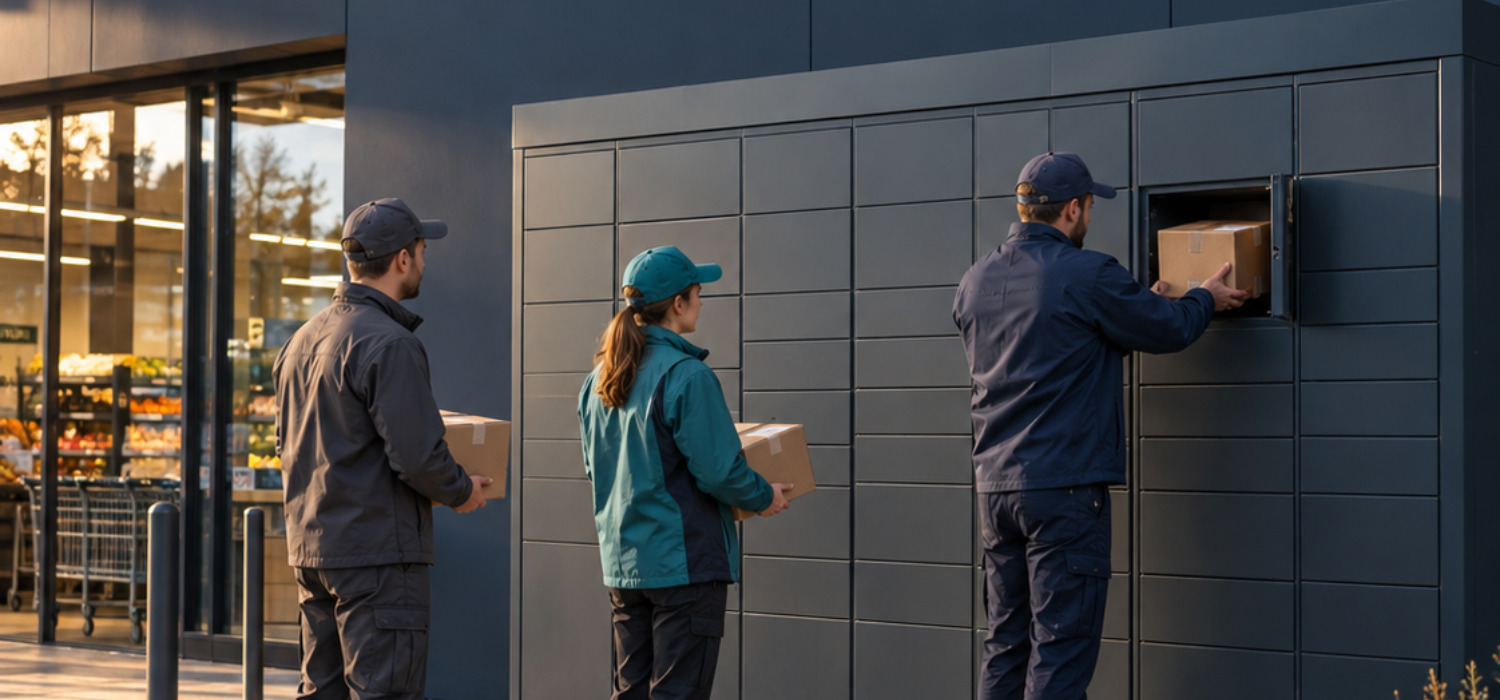
One of the most popular solutions that is gradually gaining ground is the use of Lockers and Pick-up Points. This is where GEL Proximity comes in, a company that aggregates thousands of Pick-up Points throughout the country, helping merchants to increase their turnover, reduce shipping costs, cut technology costs and, finally, improve the shopping experience of their consumers while keeping up with the evolution of the eCommerce market.
If you have an eCommerce sales channel and would like to find out more about our services, contact us.