
What happens to my order every time I press buy on an eCommerce site? If you have asked yourself this question at least once, you will find the answer here.
eCommerce is experiencing an unprecedented boom time, in part because of the impact of the Covid-19 pandemic, and online orders in every merchandise category will continue to grow for the foreseeable future. As eCommerce sales increase, however, the amount of time we are willing to wait between the time of virtual purchase and the delivery of our order seems to decrease more and more. Two inversely proportional trends that logistics must know how to accommodate and balance.
What is often unclear, however, is the path that goods take from the place where they are produced, the factory, to our home. Yes, because most Italians still prefer home delivery as the delivery mode par excellence (AGCOM data).
The journey of an online order
In the common imagination, whenever we order a product online, a delivery person picks it up for us from the factory and delivers it to our doorstep. In reality, the process is much longer and more complex than that.
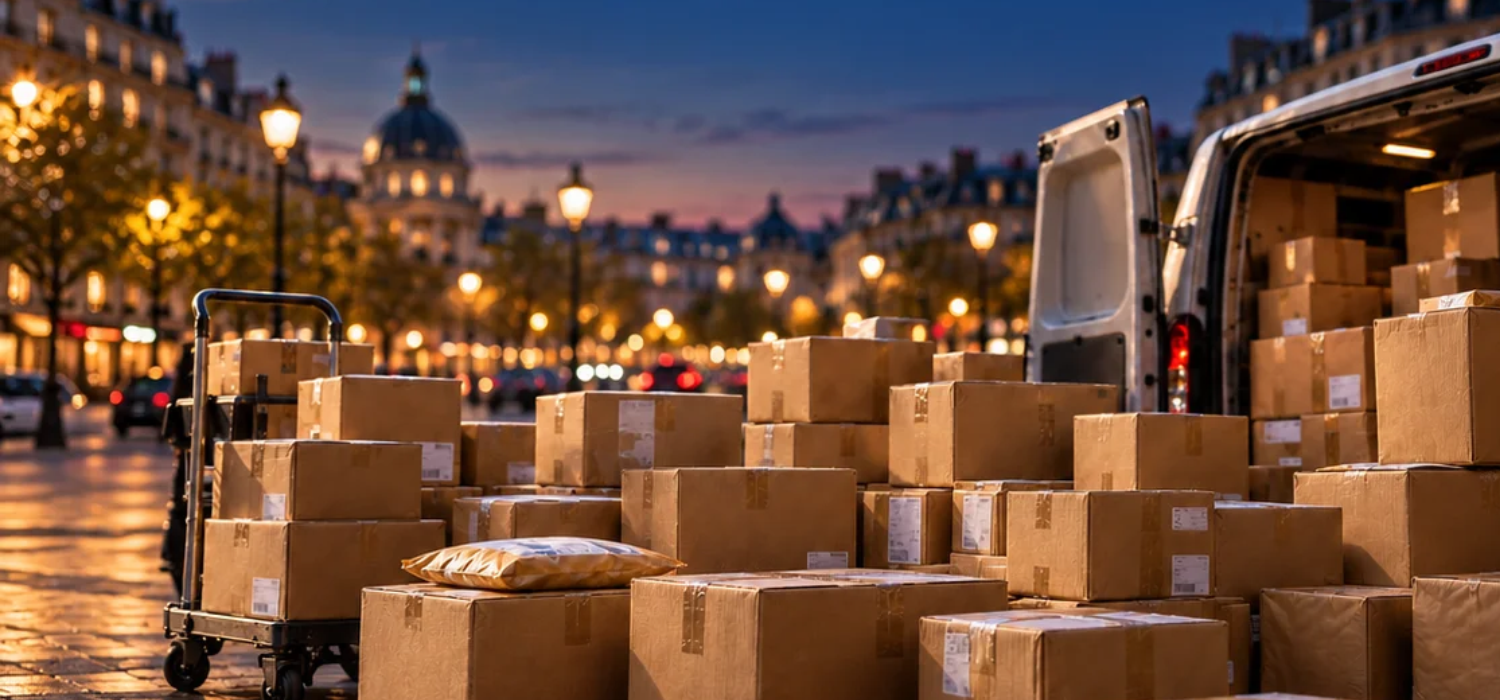
Let’s try to make the journey backwards, starting with the last step: the purchase. The moment we pay for the products we have placed in the shopping cart, our good must be prepared for shipping. The order then arrives at a proximity warehouse where a certain amount of products are stored ready to make the last mile of their journey that will bring them to our homes.
But what if the requested product is not immediately available in the proximity warehouse? In this case, a distribution center will be asked to supply the product. The latter may in turn ask a consolidation center, which is the first place where products go when they leave the factory.
Going all the way back, then, a good is produced at the factory and then moved to a consolidation center, a distribution center, a proximity warehouse, respectively, and finally, after being loaded aboard a van for last-mile delivery, is finally delivered to us.
So it is a complex process that requires a lot of planning; that is why fast deliveries greatly stress the supply chain while also causing more pollution. If, for example, a good that normally makes all these trips aboard a cargo ship has to be delivered in less than 24 hours, inevitably a faster means, such as an airplane, will have to be used, but it pollutes much more. Not to mention the fact that the most polluting part of the whole chain is precisely the last mile.
How to make the journey of an online purchase less impactful?
There are two ways: first, we need to be aware of the entire journey of a good purchased online and in light of this evaluate the time for delivery according to our actual needs.
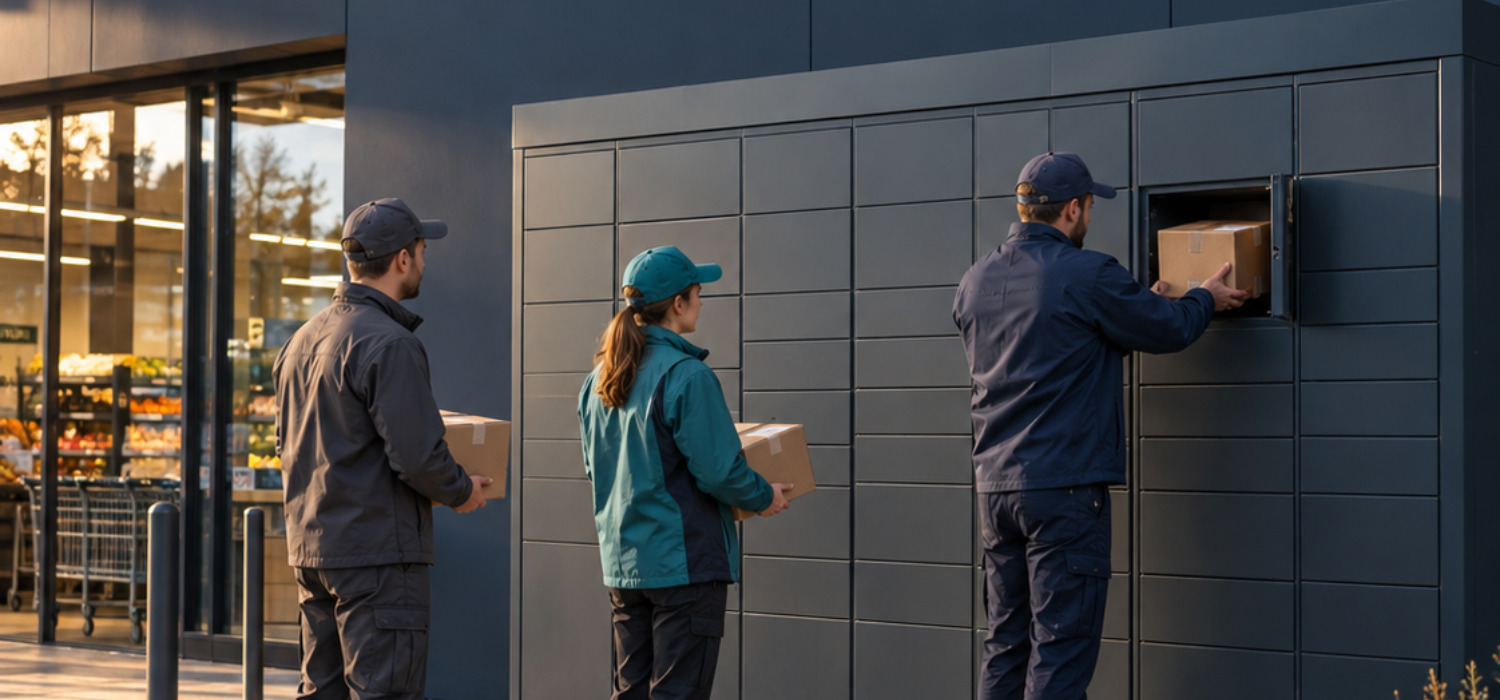
Second, it is possible to act on the very most polluting part of the whole logistics process, namely the last step, the so-called last mile. How? By choosing alternative modes of delivery to home delivery, for example, delivery to pickup points such as lockers or newsstands that offer this type of service.