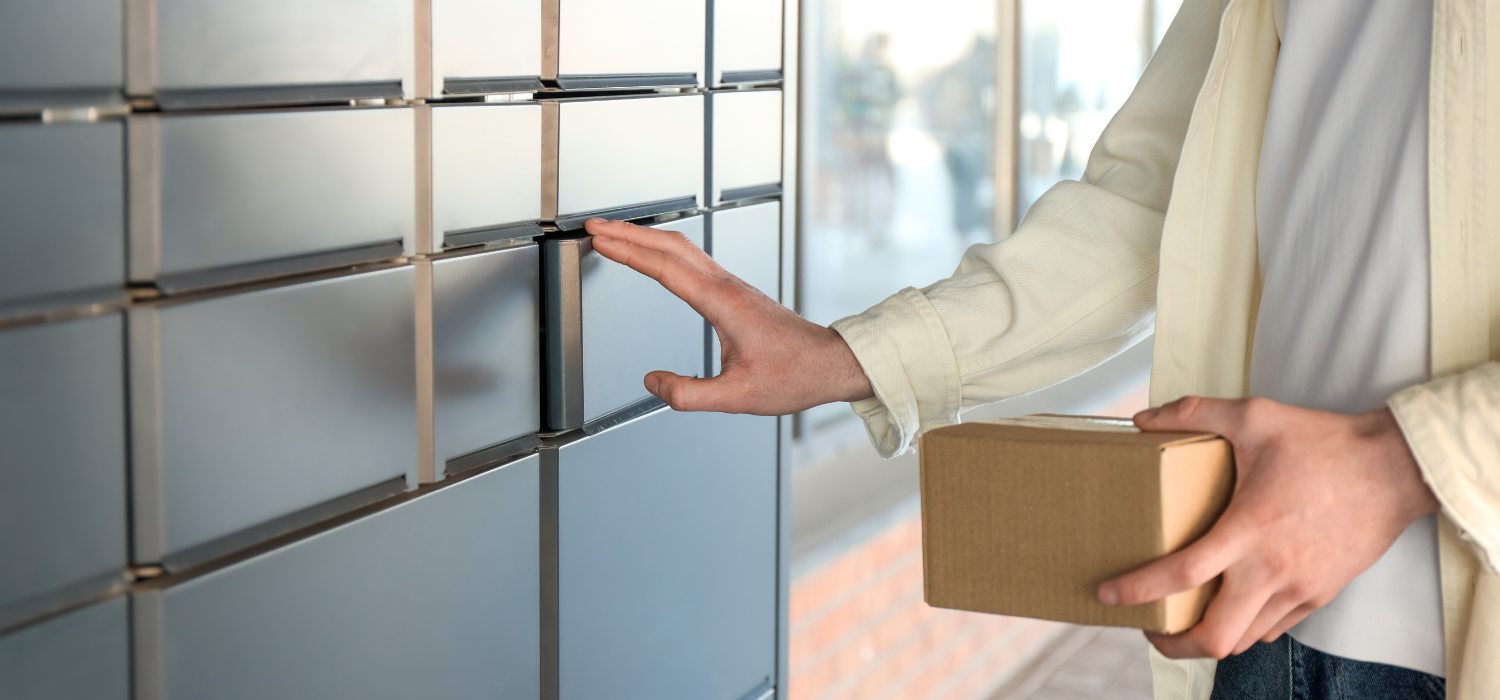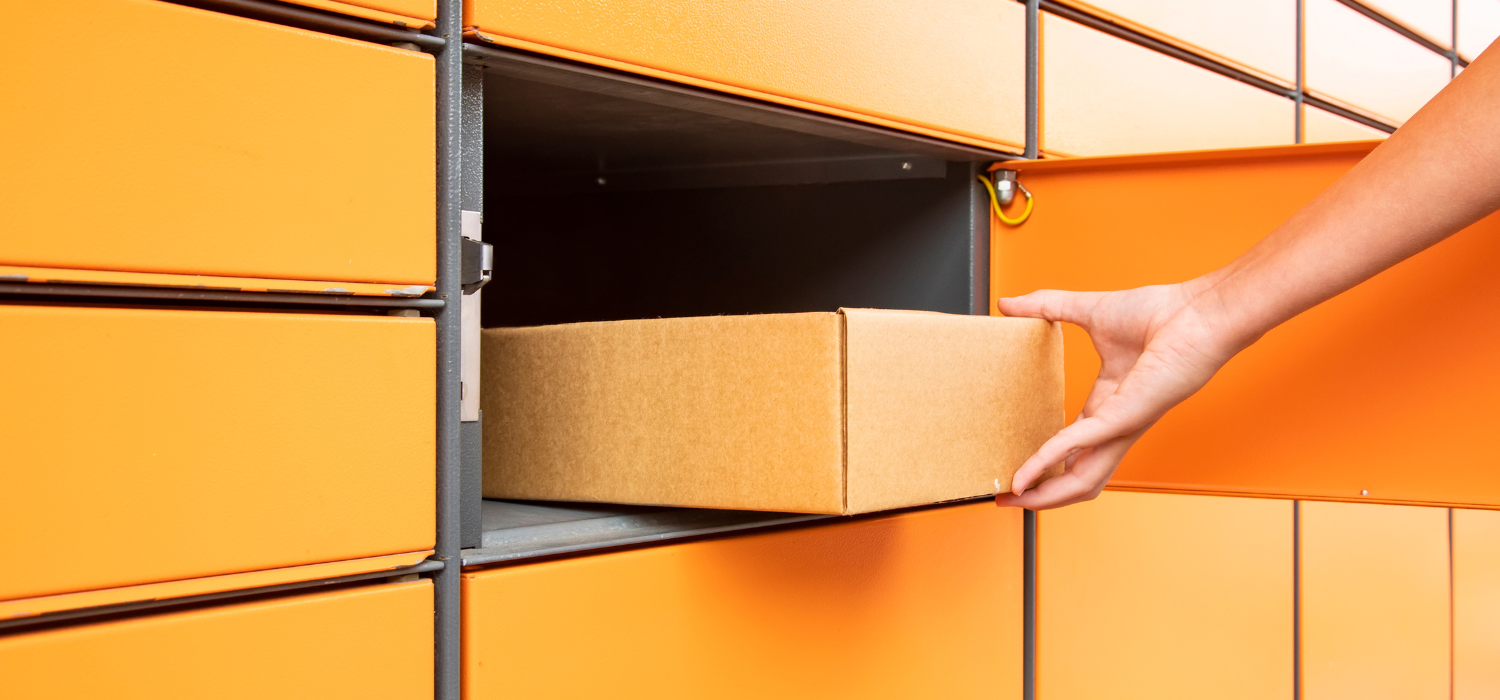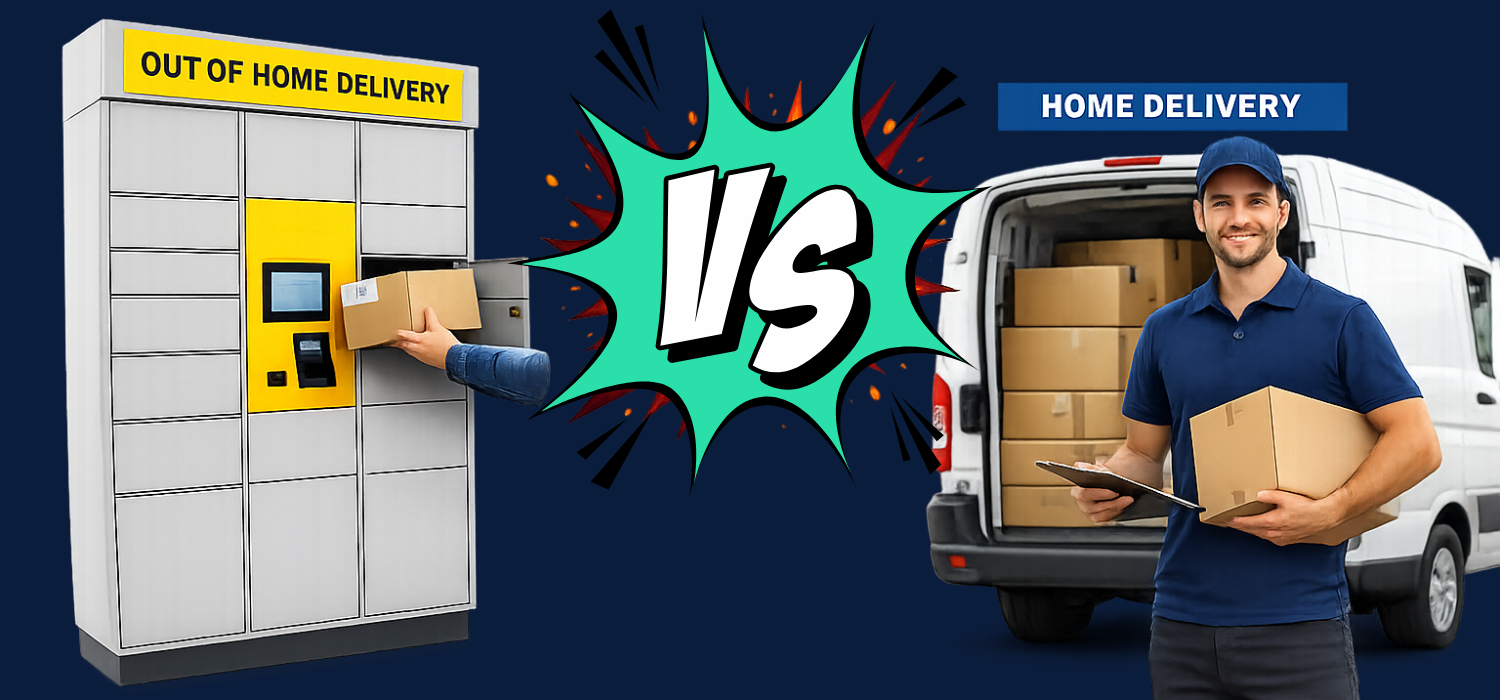

Out-Of-Home delivery growth has always been told mainly through numbers: more lockers, more pickup points, more coverage. The logic is simple and immediate: expand infrastructure to capture demand. This approach has played a decisive role in the development of the sector, but today it is also showing its limits. Because in the last mile, increasing the number of assets does not automatically mean increasing efficiency – as we also discussed in our previous deep dive – and, above all, it does not mean building a real competitive advantage.
Today, we want to take it a step further and analyze why, even when infrastructure is in place, it is not enough to guarantee performance.
What really makes the difference is not just where pickup points are located or how many there are, but how they are managed, connected, and made accessible. In other words, it is not the hardware that determines the success of a network, but the software that governs it.
Where the real competitive advantage of Out-Of-Home networks lies
The shift in perspective is already underway. In the most advanced Out-Of-Home networks, value is no longer measured only in terms of coverage, but in the ability to truly make existing infrastructure work. Because a network of pickup points, without a system capable of managing it efficiently, remains just a collection of isolated nodes.
The real enabler, therefore, is software, which represents the strategic lever capable of transforming a sum of assets into an operating system. It is software that enables flow management, optimizes the use of pickup points, coordinates different operators, and ensures a consistent consumer experience regardless of the network used.
It is precisely at this stage that the difference between infrastructure and network becomes clear, and where a new paradigm emerges: no longer building, but orchestrating. In other words, it is no longer about having more points or more assets, but about making them work together.
Why software truly makes the difference
Customer experience
In the Out-Of-Home model, customer experience does not depend on a single locker, but on how the entire network functions as a whole. For consumers, the value does not lie in the pickup point itself, but in the freedom to choose the most convenient one, modify delivery in real time, and always have an alternative available.
These possibilities make a difference in everyday experience, even if they often remain invisible. And they do not depend on hardware, but on the software that connects the points, makes them accessible, and turns them into a coherent system. This is where a decisive part of competitiveness lies: not in the infrastructure itself, but in the experience it enables.
Operational efficiency
There is also a less visible but equally critical level: operations. A network can be extensive, but not necessarily efficient. Without a system capable of monitoring and optimizing the use of pickup points, the risk is having some nodes saturated and others underutilized, with a direct impact on costs and performance.
This is where software comes in, enabling dynamic flow management: it balances demand and capacity, absorbs peaks, and improves overall network utilization. In this sense, density is only part of the equation, while the real difference lies in the ability to manage it.
Real scalability
Finally, there is the issue of growth. Expanding a physical network means investments, long timelines, and operational complexity. But today the model is changing. Scalability depends less and less on building new assets and more on the ability to integrate what already exists: networks, operators, and different infrastructures. This is where software becomes a strategic enabler, allowing growth without duplication, expanding coverage without multiplying investments, and adapting more quickly to different markets and contexts.
In other words, it is no longer necessary to build everything—what matters is knowing how to connect and orchestrate what is already available.
The real evolution: from infrastructure to orchestration
The future of Out-Of-Home delivery is not made of closed and isolated networks, but of open ecosystems, where different infrastructures can interact with each other.
In this scenario, competitive advantage no longer lies in owning the network, but in the ability to orchestrate it: connecting different operators, simplifying access to services, and making delivery more flexible for the end consumer.
In practical terms, this means moving beyond the logic of separate networks and enabling pickup points, lockers, and operators to function as a single system, regardless of who manages them.
This is precisely the principle behind the GEL Proximity model. Through our last-mile orchestration software, we enable retailers and logistics operators to access, through a single integration, a global network of over 500,000 Pickup Points and Lockers, managing flows, delivery options, and customer experience in a unified way. The result is a more open, flexible, and efficient system.
From technology to strategy
In the last mile, competitive advantage is no longer tied to what is visible—lockers, pickup points, infrastructure—but to what connects them and makes them truly usable. Because a network is not just made of nodes, but of relationships, and without a system capable of managing them, even the most extensive network risks failing to express its full potential.
The real challenge today is not choosing between hardware and software, but understanding that value comes from their integration.
This shift has a name: orchestration—the ability to make different infrastructures work together, simplify access to services, and make delivery more flexible and efficient.
Discover how GEL Proximity’s last-mile orchestrator works and how to integrate multiple networks into a single solution.