
Let’s start with some data: in 2020, sales through eCommerce channels grew by 3.4 percent to 32.4 billion euros in value. This is a trend that shows no sign of stopping and will continue to grow in the coming years.
To date, freight traffic is estimated to contribute between 20 and 30 percent to air pollution in urban areas, and last mile delivery vehicles account for nearly one-third of city traffic.
Putting the pieces of the puzzle together, the picture that emerges is alarming: if eCommerce continues to grow at this rate, cities will be completely congested with traffic related to last-mile deliveries in the near future, with serious repercussions for sustainability, both in environmental and social terms.
In other words: a solution is urgently needed.
The answer coming from the sky
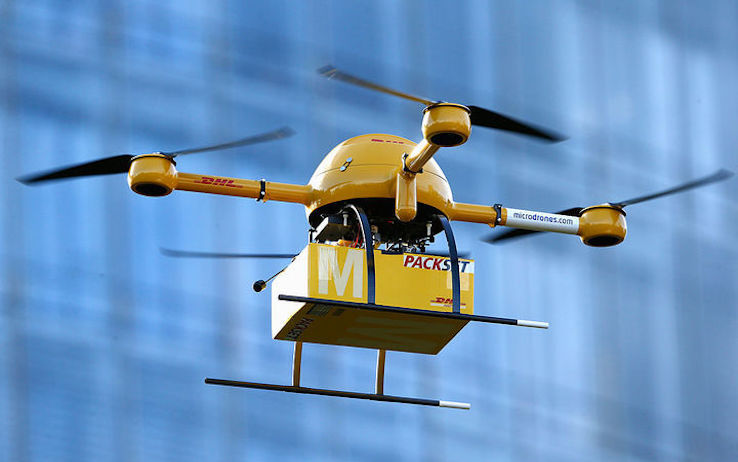
It would seem that the hypothesis of drones for moving goods in cities is no longer a utopia. Indeed, in recent years, researchers from a variety of fields have been trying to find urban air mobility solutions — termed UAM — that are safe, efficient and environmentally friendly.
A new partnership formed by three European Union-funded projects, FF202, AiRMOOUR and AURORA, is working in precisely this direction, to create an end-to-end chain of UAM developments and innovations.
“Drones for transporting passengers or cargo,” reads the European Commission website, “with zero emissions at very low altitude have shown promise as a means for cities to improve the quality of life for their citizens. However, a more comprehensive alliance combining all these initiatives is needed if UAM solutions are to become a sustainable option for European cities.”
Drones for logistics warehouse management
If we will have to wait at least a few more years to see last mile delivery drones flying over our heads-although there is already no shortage of experiments, such as the one launched in China by DHL Express in collaboration with the company EHang where drones already make last mile deliveries covering a maximum distance of 8 kilometers and supporting a maximum of 5 kilograms-we do not need to wait that long to see them applied in logistics warehouse management.
Suffice it to say that 31 percent of logistics operators were actually interested in introducing drone projects within the next three years in areas ranging from transportation to, precisely, warehouse inventory.
The use of drones in this context naturally involves revisiting logistics real estate spaces, which will have to be rethought and built to improve integration between machines and employees.
In the next three years, 80 percent of supply-side companies thus assume a strong development of the market, as also pointed out by the Milan Polytechnic’s Drone Observatory.
Other solutions to city congestion
If drones represent the future, there are, however, immediately applicable alternative solutions to date to solve-or at least alleviate-the traffic problem associated with last-mile deliveries.
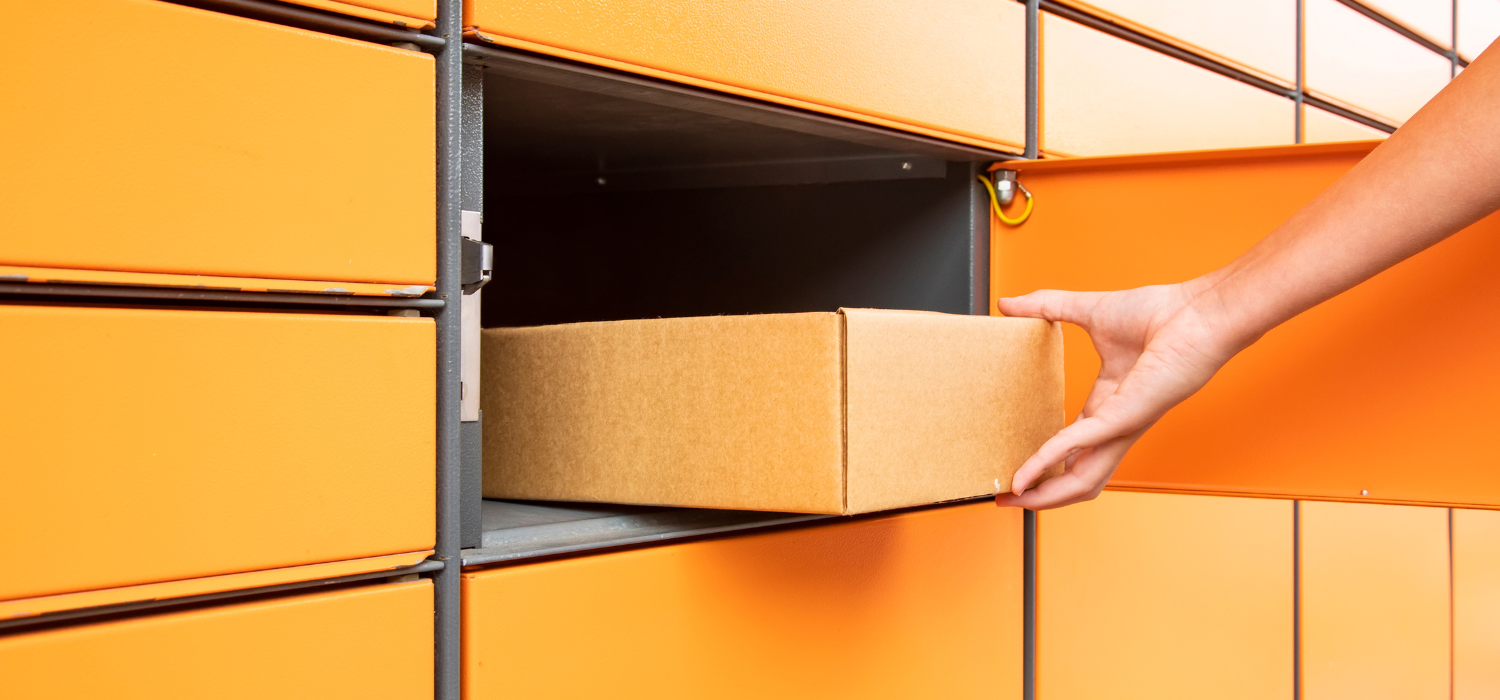
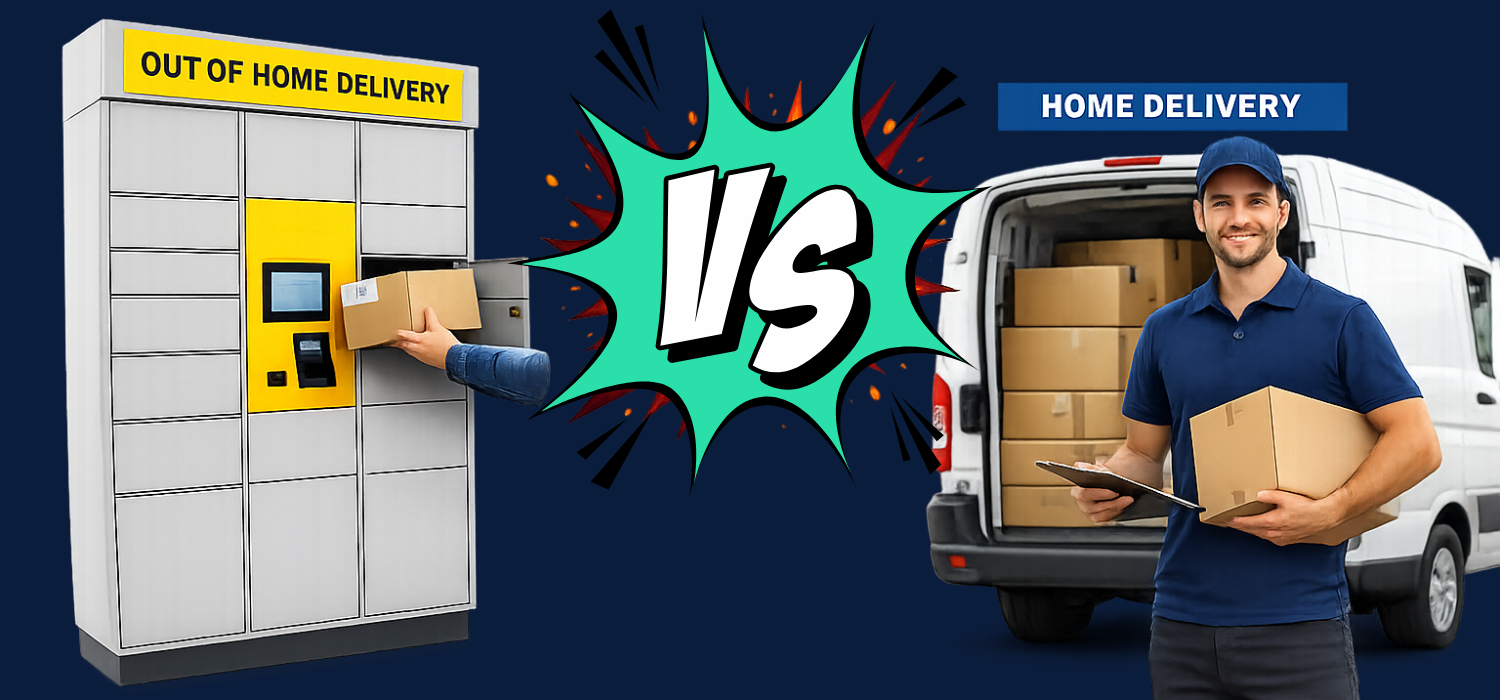
Leveraging, for example, Pickup Points and Lockers for the delivery and pickup of online orders and any returns is a sustainable and beneficial solution for both consumers and business operators.
In fact, e-Shoppers can enjoy greater flexibility by choosing the most convenient pickup point based on time and location, while also saving on shipping costs.
Such a solution also enables 100% delivery with fewer trips, which means less C02 and fewer trucks on the roads.
But how do you implement your own network of Lockers and Pickup Points? The answer is GEL Proximity, a network aggregator that allows eCommerce businesses to add a map of available or convenient pickup points to the checkout, automatically managing the exchange of information needed for shipping.
If you have an eCommerce channel and are interested in finding out more, contact us now.