
When we talk about sustainability today, we are talking about business. Needless to deny it, more and more users are paying attention to the issue and are willing to blow off a purchase if it does not demonstrate compliance with certain characteristics in terms of environmental and social impact.
In Italy alone, for example, 36 percent of consumers say they have stopped buying certain products and services because of their negative impact on the environment or society, and 30 percent say they avoid products with plastic packaging.
It is precisely plastic, it is well known, that is one of the most widely used materials to package products purchased online and to be delivered to consumers’ homes, but this does not mean that there are not equally good – if not better – and, above all, less environmentally impactful solutions.
The benefits of sustainable packaging
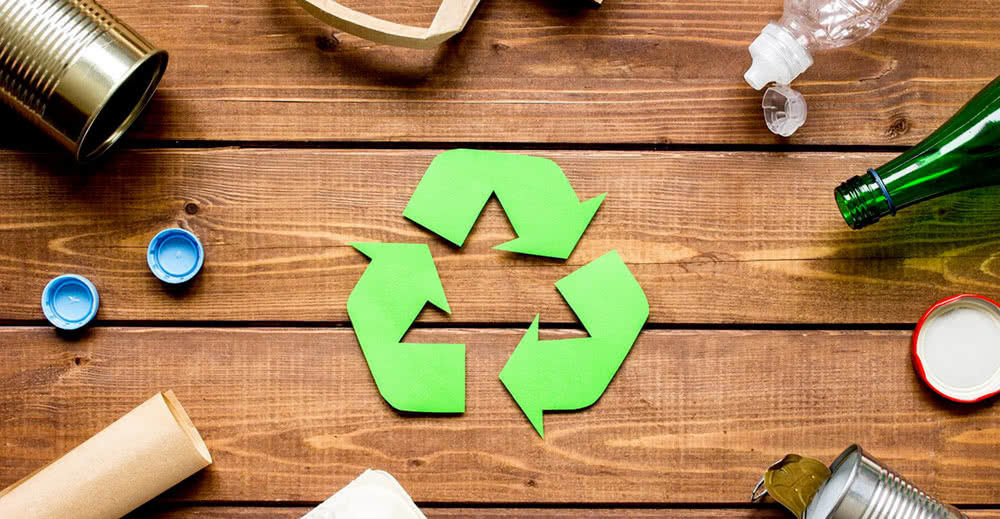
Working on the sustainability of a packaging means working on several aspects, including:
1. The recyclability and renewability of materials
2. The lower use of raw materials through a reduction in size and weight
3. The compostability of the product
4. The simplification of the packaging system
5. The ease of separation of materials
6. The reuse of the finished product
Paying attention to the material with which you package and ship your products will not only ensure an advantage in environmental terms, but also and above all in terms of image and reputation for the eCommerce realities that use them (with not inconsiderable returns in terms of business as well).
Three innovative ideas for sustainable packaging
So here are three of the best – as well as original and innovative – alternatives to plastic for product packaging.
1. Water-soluble packaging: this is a non-toxic and 100% biodegradable polyvinyl compound made from PVA. Recent studies have shown that this type of packaging dissolves in water in only 10 seconds, thus completely quickly and non-polluting.
2. Bioplastic packaging: bioplastic is a type of plastic that can be biodegradable and compostable and/or bio-based, i.e., derived, for example, from wheat, corn, and beet. Bioplastics currently on the market are composed mainly of flour or starch from corn, wheat or other grains and are part of the compost created by industrial composting plants, i.e., fertilizer manure that can be used in agriculture.
3. Packaging obtained from vegetable waste: this is more specifically recyclable paper obtained from the processing waste of some legumes, processing that among other things makes this type of packaging suitable for contact with food (an element not to be underestimated considering also the boom in food delivery that we have also talked about here). The packaging then turns out to be 100 percent recyclable (if the packaging also consists of eco-friendly inks).
After packaging, shipping
Once the most suitable packaging for different needs has been selected, the finished and packaged product is ready to be shipped. How? As “green” as possible, of course, so as not to undo the efforts made in search of the least impactful solution possible.
An alternative to the classic home delivery model, for example, is the use of Pickup Points and Lockers for last mile deliveries.
If you are an eCommerce operator and need sustainable solutions and alternatives for transporting your products, for example by integrating your Pickup Points, contact us now.