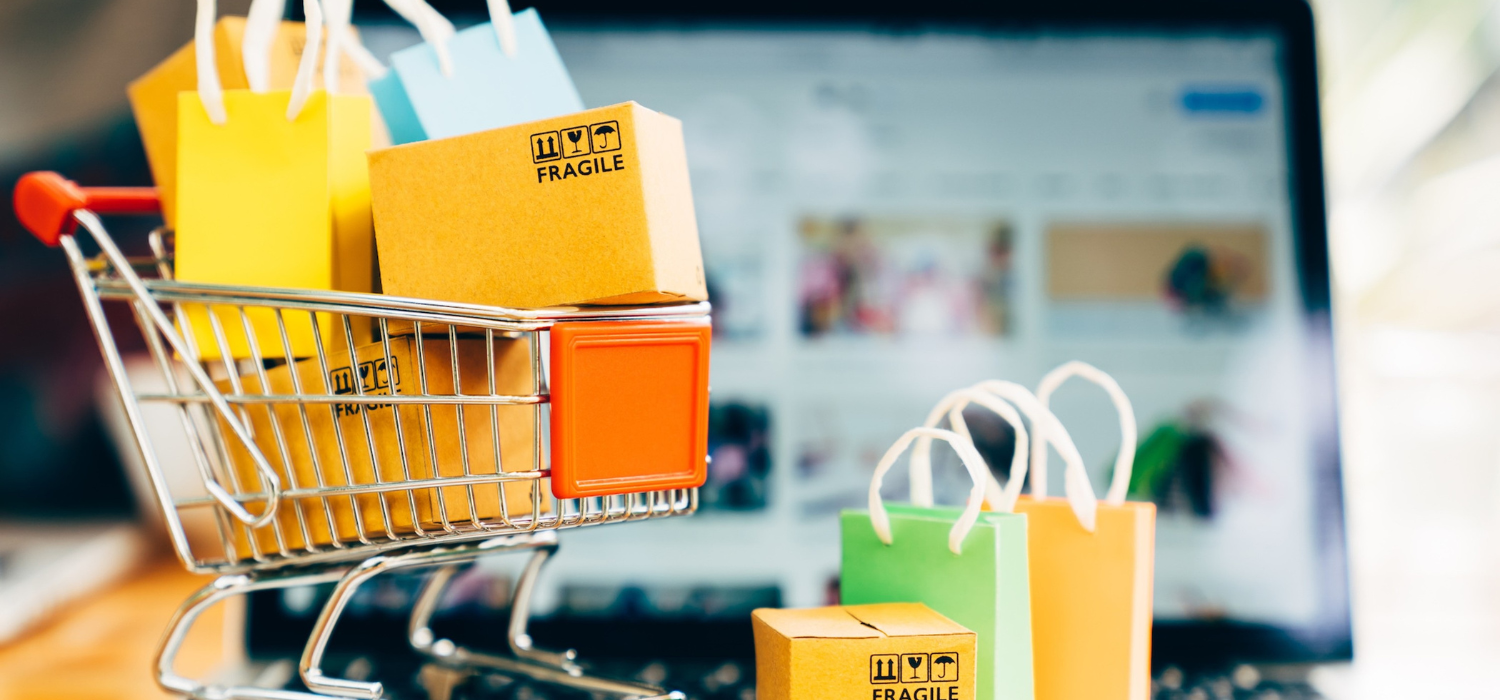

European eCommerce continues to grow, but the market is entering a new phase. It is no longer just a matter of sales volumes or customer acquisition; today, competitiveness is driven primarily by operational efficiency, the quality of the customer experience, and the ability to manage deliveries and returns flexibly.
According to the European E-commerce Report 2025 by Ecommerce Europe and EuroCommerce, B2C online purchases in Europe reached a total value of approximately €842 billion in 2024. This figure confirms that European eCommerce remains one of the world’s most significant digital markets, driven not only by the growth of online shopping but also by the evolution of logistics infrastructures, payment systems, and delivery services.
However, growth is not uniform. European markets are becoming more mature and complex, with consumers increasingly demanding when it comes to deliveries, returns, and logistics flexibility. These challenges become even more evident during the summer months.
For eCommerce businesses and logistics operators, summer represents a real operational stress test: orders increase in certain product categories, consumer habits change, and last-mile delivery challenges become more pronounced. Preparing in advance means reducing costs, improving service quality, and increasing customer loyalty.
In this article, we will explore the most dynamic eCommerce segments for Summer 2026 and share five practical tips to help merchants, logistics providers, and carriers manage deliveries, returns, and customer experience more efficiently during the seasonal peak.
Products That Will Drive eCommerce Growth in Summer 2026
Online shopping trends for Summer 2026 confirm several patterns that are now well established across the European market. Growth will be driven primarily by categories linked to seasonality, travel, and personal wellbeing.
According to data from the Politecnico di Milano’s B2C eCommerce Observatory, the Beauty & Pharma, Food & Grocery, and Fashion sectors continue to outperform the market average. It is therefore reasonable to expect these categories to play a central role in online sales during the summer months as well.
Beauty & Pharma
Online beauty sales continue to grow, particularly thanks to increasing demand for skincare products, sunscreen, travel-sized cosmetics, and dietary supplements. The ability to shop quickly via mobile devices and receive products within a short timeframe makes eCommerce especially competitive in this segment.
Fashion
Summer fashion also remains one of the main drivers of online sales. Swimwear, sandals, travel accessories, luggage, and lightweight clothing are categories strongly influenced by impulse and last-minute purchases. For this reason, it is essential for fashion eCommerce businesses to offer fast and flexible delivery options, especially for customers who frequently move between second homes and holiday destinations during the summer.
Food & Grocery
At the same time, online Food & Grocery continues to expand, supported by both food delivery services and digital grocery shopping. Tourist destinations and areas experiencing high seasonal mobility require increasingly distributed and extensive logistics models capable of handling fluctuating volumes without compromising delivery times or service quality.
Why Summer Puts Pressure on eCommerce Logistics
While summer can represent a commercial opportunity, from an operational perspective it is often one of the most challenging periods of the year for merchants and logistics operators.
The first issue concerns changing consumer habits. During the summer months, significantly more people are away from home due to holidays, remote working from tourist destinations, and time spent in second homes, making home deliveries far less predictable.
For carriers and eCommerce businesses, this results in a higher number of failed delivery attempts. Customers may not be available at the specified address, request last-minute delivery changes, or postpone collection. Every unsuccessful delivery generates additional costs, slows down distribution networks, and directly impacts the customer experience.
As a result, the last-mile challenge becomes even more critical. During the summer months, traffic increases in tourist areas, logistics flows shift, and operational congestion becomes more common. This is compounded by the seasonal surge in returns, particularly in the fashion and retail sectors, placing additional pressure on transport providers.
In this context, the traditional delivery model based solely on home delivery reveals its limitations more clearly than ever, while Out-of-Home services are becoming increasingly strategic.
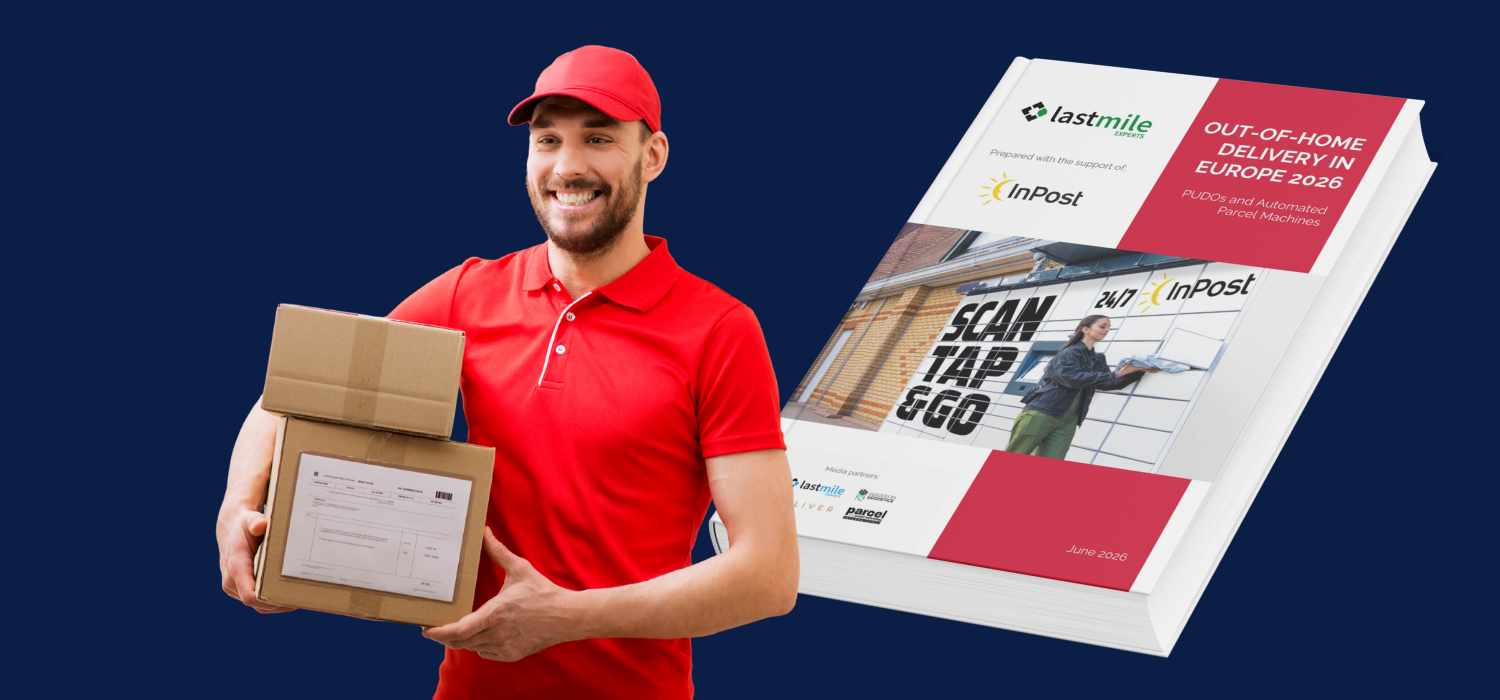
PUDO (Pick-Up and Drop-Off) points and parcel lockers remove the dependency on customers being physically present at home. Consumers can collect their parcels whenever and wherever it is most convenient—near their holiday destination, at a train station, at a supermarket, or close to their workplace. For merchants, this means fewer failed deliveries, lower operational costs, and higher delivery success rates.
The benefits are equally evident for logistics operators. Consolidating multiple deliveries into a single collection point helps optimize routes, reduce mileage, and improve last-mile sustainability.
In a market increasingly focused on operational efficiency, Out-of-Home delivery is no longer just an additional service—it is becoming a critical logistics infrastructure.
How to Prepare Your eCommerce Business for Summer: 5 Practical Actions to Implement Now
Preparing an eCommerce business for the summer season is not simply about increasing marketing budgets or boosting promotional campaigns. The real difference often lies in the ability to quickly improve logistics processes and the post-purchase experience.
Here are five practical and immediately actionable tips to help you manage the summer peak more efficiently, reduce last-mile challenges, and improve the delivery experience for your customers.
1. Enhance Your Checkout and Delivery Options
The checkout is one of the most critical stages of the customer journey. During the summer, consumers are primarily looking for flexibility, which is why being able to choose where and when to receive a parcel becomes a decisive factor in completing a purchase.
Integrating PUDO points and parcel lockers directly into the checkout process allows businesses to offer a more modern experience aligned with evolving consumer habits. It also significantly reduces the risk of failed deliveries while improving conversion rates.
2. Optimize Inventory and Forecasting for Seasonal Products
Summer categories are highly susceptible to sudden spikes in demand. Fashion, beauty, travel, and outdoor products require constant inventory monitoring and accurate stock planning.
Inefficient inventory management can lead to delays, overselling, and increased logistics costs. For this reason, it is essential to synchronize inventory, fulfillment operations, and distribution networks, especially during periods of heightened volatility.
3. Reduce Return Processing Times
Returns continue to be one of the biggest operational challenges in eCommerce (as we explored in greater detail here), particularly in the fashion and lifestyle sectors. During the summer, with customers on the move and schedules becoming more fragmented, the issue tends to intensify.
Making returns easier through a widespread network of PUDO points and parcel lockers helps improve the customer experience and accelerate reverse logistics operations. A seamless returns process directly impacts customer loyalty and the likelihood of repeat purchases.
4. Improve Post-Purchase Communication
Tracking updates, notifications, and real-time information become even more important during the summer season. Customers want to know where their parcel is, when it will arrive, and what collection alternatives are available.
Clear and timely post-purchase communication reduces the number of customer service inquiries and helps build greater trust in the brand.
5. Integrate Flexible Technologies Without Overhauling Your Infrastructure
Many eCommerce businesses hesitate to introduce new logistics services because they fear lengthy or complex integrations. In reality, competitiveness increasingly depends on the ability to adopt scalable and interoperable technologies quickly.
Integrating PUDO and parcel locker networks through APIs enables businesses to immediately expand their delivery options without disrupting existing systems. For logistics operators and merchants, this means rapidly increasing coverage, efficiency, and service quality.
GEL Proximity: Your Partner for Managing the Summer Peak in Online Orders
At this point, you may be wondering how to turn these strategies into a tangible operational advantage for your eCommerce business or logistics network. The good news is that technology solutions now exist that make managing deliveries and returns simpler, faster, and more efficient—even during periods of intense operational pressure such as the summer season.
Relying on technology capable of quickly integrating Out-of-Home services can make a real difference. GEL Proximity supports eCommerce businesses, logistics operators, and carriers by providing access to more than 500,000 Pick-Up Points and Lockers across Europe, helping companies manage deliveries, returns, and last-mile operations more efficiently during seasonal peaks.
By integrating PUDO points and parcel lockers directly into the checkout process, eCommerce businesses can offer more flexible delivery options, reducing the risk of failed deliveries and improving the shopping experience, even during months when customers are frequently away from home. At the same time, an extensive network of collection points helps distribute logistics volumes more effectively, optimize last-mile flows, and manage seasonal peaks more efficiently.
Returns management can also become simpler and faster. Giving customers the option to return items via PUDO points or parcel lockers helps streamline reverse logistics, reduce pressure on customer support teams, and increase customer loyalty. In addition, thanks to fast API integrations, merchants and logistics operators can quickly expand their delivery services without having to overhaul their existing infrastructure.
In an increasingly competitive eCommerce market, preparing in advance for periods of high operational pressure means not only improving logistics efficiency but also offering a more flexible, modern delivery experience that meets evolving consumer expectations.
Would you like to discover how to integrate more than 500,000 Pick-Up Points and Lockers into your eCommerce business or logistics network?
Contact the GEL Proximity team today and find out how to optimize deliveries, returns, and customer experience during the summer peak—and beyond.