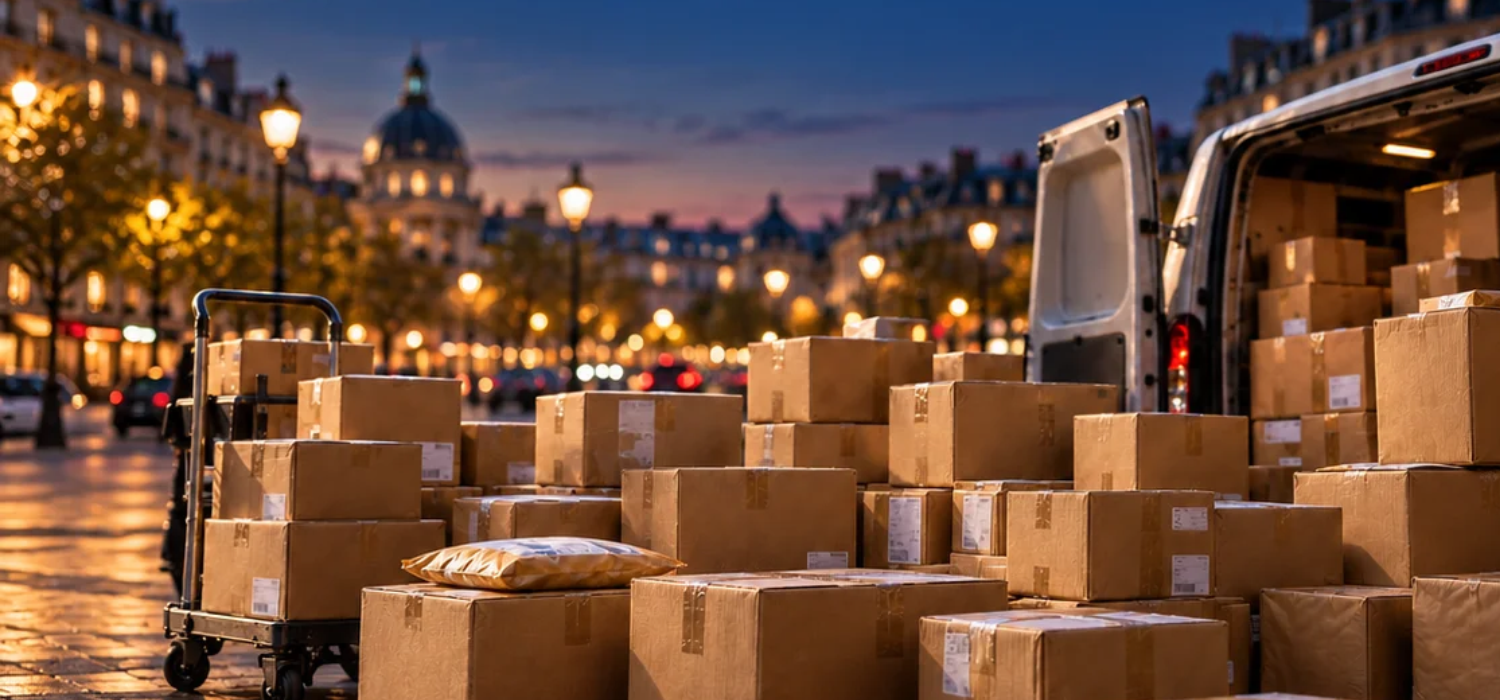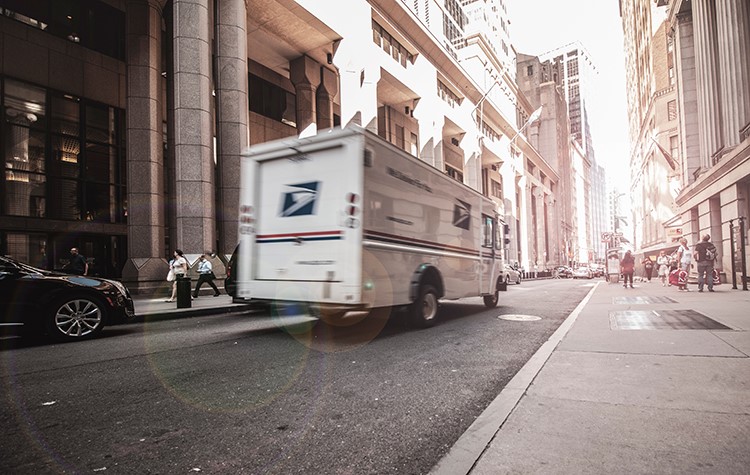

The last mile is the most polluting stretch of the entire logistics chain. Indeed, it is estimated that freight traffic contributes between 20 and 30 per cent of air pollution in cities and as much as 40 per cent of NOx (nitrogen oxides) emissions in major European urban areas. Last mile vehicles, as we have already reported in a previous report on how much last mile logistics pollutes, now account for almost a third of total traffic in cities.
And that is not all. According to the World Economic Forum, the number of light commercial vehicles for urban goods delivery, such as vans and pick-ups weighing no more than 3.5 tonnes, will increase by 36% by 2030 if no action is taken now.
The eCommerce boom, in other words, risks irreparably damaging our cities if the industry does not take immediate action to try to curb pollution.
So what to do?
Decarbonise last mile logistics: here’s how
Electric vehicles, urban hubs and big data seem to be the most popular solutions for reducing pollutant emissions related to last mile logistics, but they are not the only ones.
1. Electric vehicles
As far as electric vehicles are concerned, more and more manufacturers are adapting to the needs of the times by launching various models on the market with batteries of different sizes and thus able to meet the decarbonisation targets also set by the European Union for 2030 and 2050 with the Green Deal, i.e. the European ‘Green Pact’ that aims to reduce net greenhouse gas emissions by at least 55% within the decade compared to 1990 levels.
Carrying capacity will be an indispensable element in ensuring the success of the solution.
2. Urban hubs
Another possible solution has to do with urban hubs, i.e. warehouses located on the outskirts of major cities and offering increasing charging possibilities for electric commercial vehicles.
We have already talked previously, for example, about the rise of so-called ‘Dark Stores’, i.e. proximity warehouses located at strategic points and dedicated exclusively to online orders, ready to serve the demands of the target market in a short time.
3. Technology and Big Data
Technology and Big Data can also provide effective answers to the problem of logistics-related pollution. Thanks to the data collected, it is in fact possible to optimise last-mile deliveries, for example by reducing empty runs and choosing the best route for delivery.
4. Locker and Pick-up Points
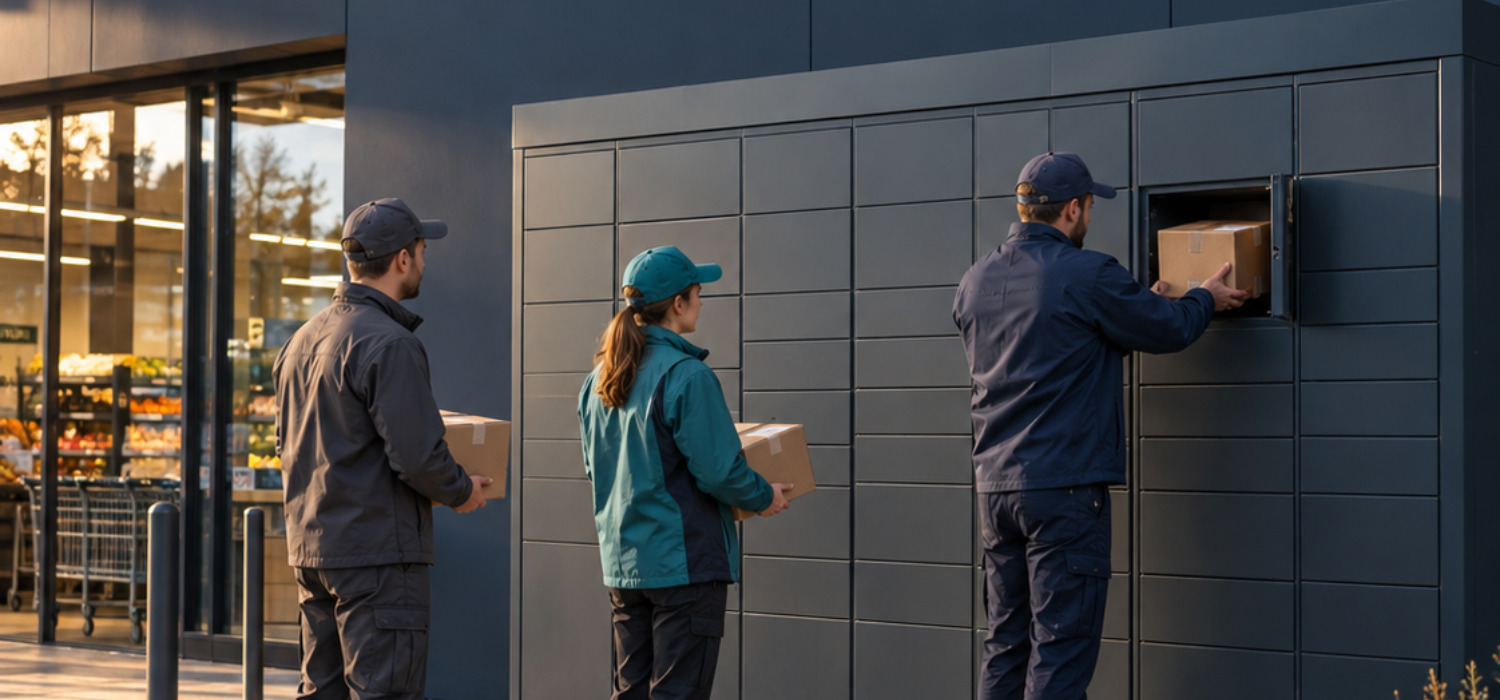
As mentioned, however, that is not all. Solutions to ensure more sustainable last-mile logistics also include, for example, the use of Lockers and Pick-up Points, i.e. the possibility of using existing lockers or businesses such as newsstands, supermarkets, post offices and shops of various kinds for the collection of goods or for returns.
The latter solution, in fact, is not only able to guarantee 100 per cent delivery, with a considerable impact on the number of trips and thus on air pollution, but also allows the consumer to organise the delivery in the most practical and convenient way for him, choosing the place and time of collection. In other words, it satisfies the customer and is good for the environment.
And users, in fact, seem to appreciate this possibility, so much so that 60% of Italian consumers consider the possibility of choosing where a product ordered online will be delivered to be very important.
If you are an eCommerce operator and need help integrating your Pick-up Point Network, GEL Proximity is the right choice. Contact us now.