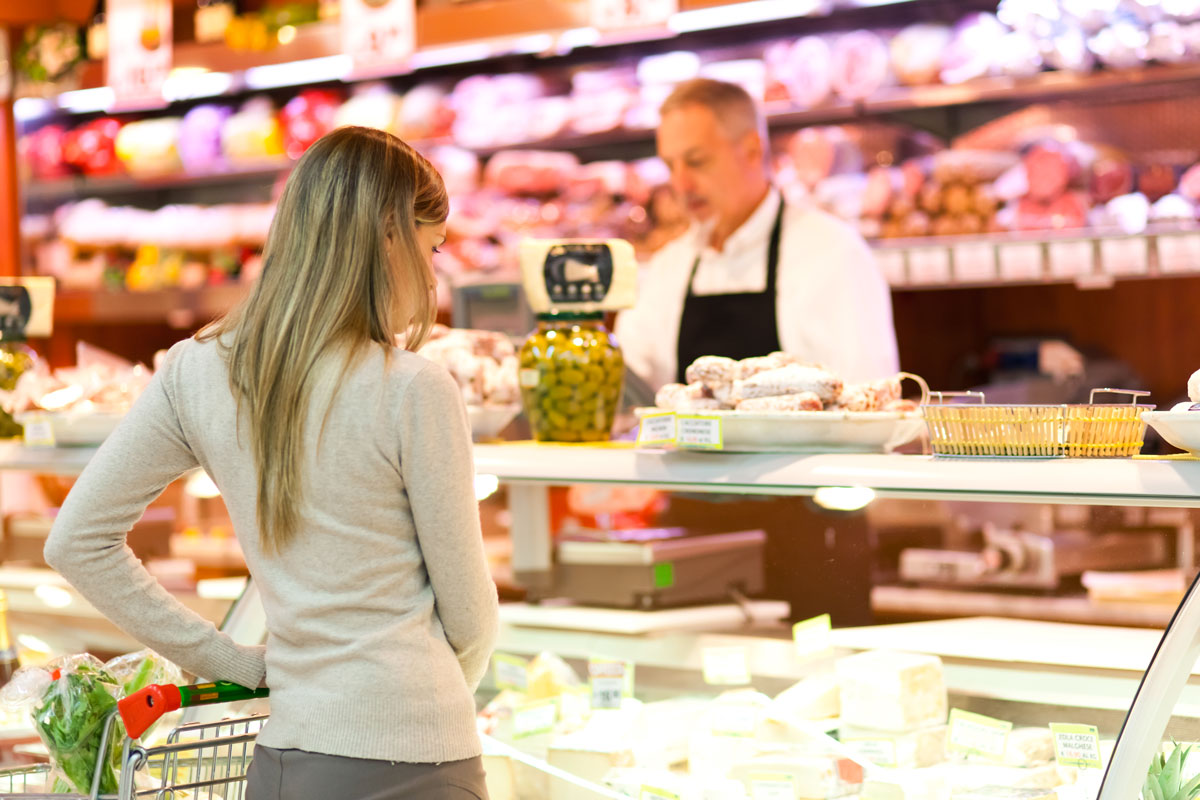

Proximity shopping, the digitisation of the neighbourhood shop, is now increasingly a reality, not least in view of the new needs and habits created by the pandemic. Suffice it to say that 9 out of 10 consumers stated that they would continue to do their shopping online even in the post-Covid era. For safety, of course, but also for convenience.
Even proximity shops, therefore, have had to adapt to the new demands of their customers who, in order to be satisfied, increasingly need innovative services capable of competing with large marketplaces.
How consumer habits are changing
According to a recent survey conducted by Shopify, in fact, in the last two years 61% of consumers in Italy have changed their shopping habits, 39% prefer not to physically go to the shop while 63% spend more on online shopping than traditional shopping (in this sense, Italy ranks second in Europe after Great Britain).
Furthermore, according to Netcomm research, 51% of Italians who have experienced online shopping believe that traditional shops should also change their business model permanently.
How neighbourhood shops are changing
And so even small neighbourhood shops have adapted to the needs of the times and consumers.
On the other hand, as we have also reported here, neighbourhood shops enjoy a not inconsiderable advantage, namely the trust and relationship that is established between consumer and retailer. And it is precisely on these aspects that it is essential to continue to leverage in order to stay afloat in the increasingly competitive and constantly growing eCommerce market.
According to research conducted by Shopify, in fact, six out of ten consumers, especially young people, prefer to buy products from independent retailers, while since the beginning of the pandemic to date, three out of ten consumers prefer to opt for small retailers.
Regardless of age, moreover, 65% of all consumers say they support small businesses, while the Edelman Trust Barometer 2021 estimates that 76% of consumers rely on local brands for their purchases.
Even in Italy, proximity commerce is a reality that, although challenged by the health crisis, shows no sign of dying out. On the contrary, more and more networks of local shops are springing up, joining forces to offer more and more services and products to their customers and thus be more competitive on the market.
But how do you ensure the proper digitisation of your local shop?
1. Take advantage of geolocalisation
A correct and efficient geolocalisation of your store allows you to be reached not only by your regular customers, but also by those who are passing through and are looking for a specific product or service.
More and more users are searching for what they need via search engines and it is therefore crucial not only to be found online, but also to direct them to your point of sale or online store. In other words, you need to drive traffic to your store.
2. Accept orders via WhatsApp
If the merchant at your doorstep is regarded as a friend you can trust, then why not order what you need by sending a simple WhatsApp message?
Enabling the receipt of orders via messaging systems is an opportunity to offer an additional service to your customers and make their lives even easier, thus guaranteeing your store a greater flow of orders. Suffice it to say that in 2021, more than one in two online purchases (51%) were made via mobile devices.
3. Offer alternative delivery solutions
Proximity also rhymes with sustainability, which is why thinking about innovative and green solutions even for small neighbourhood shops can be a successful strategy.
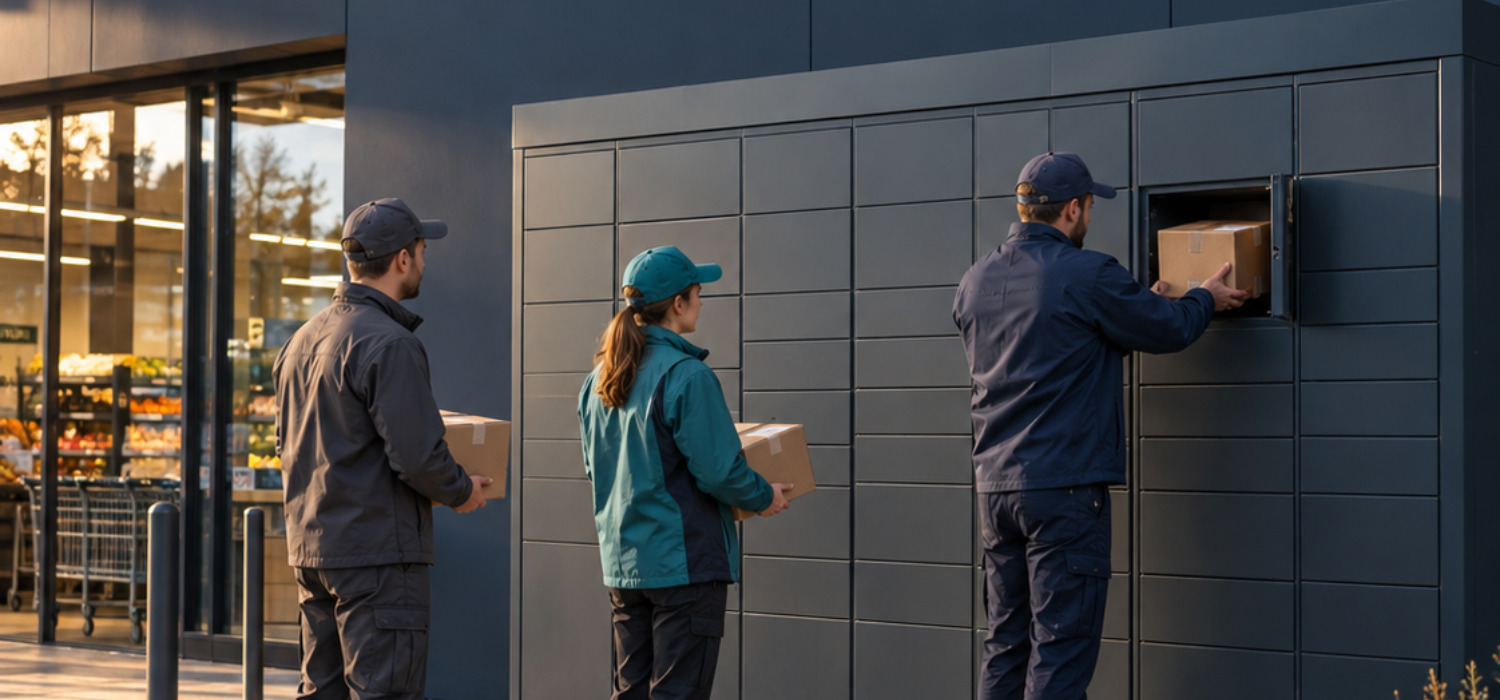
The use of lockers and pick-up points close to the store, for example, allows customers to pick up their ordered products at any time, without having to adhere to the shop’s opening hours. This is certainly a practical solution, but also a green one, since due to the proximity it is possible to guarantee faster deliveries without stressing the logistics chain.
If you have an eCommerce and need to integrate your network of Pick-up Points, you can turn to GEL Proximity, the first platform that aggregates thousands of Pick-up Points and Lockers throughout the country. Contact us here.