
Like every year, the eCommerce world is abuzz with Amazon Prime Day taking place tomorrow, July 11, and Wednesday, July 12.
What is Amazon Prime Day?
It is a two-day event during which users with a Prime subscription are offered exclusive deals on different categories of products available in the Amazon catalog.
The deals can be available for the full 48 hours or for a limited time.
Amazon Prime Days and Black Friday: what’s different?
The main difference between the two occasions has to do with the participants: as anticipated, Prime Days are in fact dedicated only to customers with Prime subscriptions and only in certain countries.
In contrast, Black Friday is a global event that covers both the eCommerce and retail worlds and does not only involve Amazon and its users.
Another difference is the duration of the event: Prime Days last 48 hours; Black Friday, on the other hand, although it started as a single day of incredible discounts (the “Black Friday,” precisely), now involves an entire weekend until Monday, the so-called Cyber Monday.
The numbers of Prime Day 2022
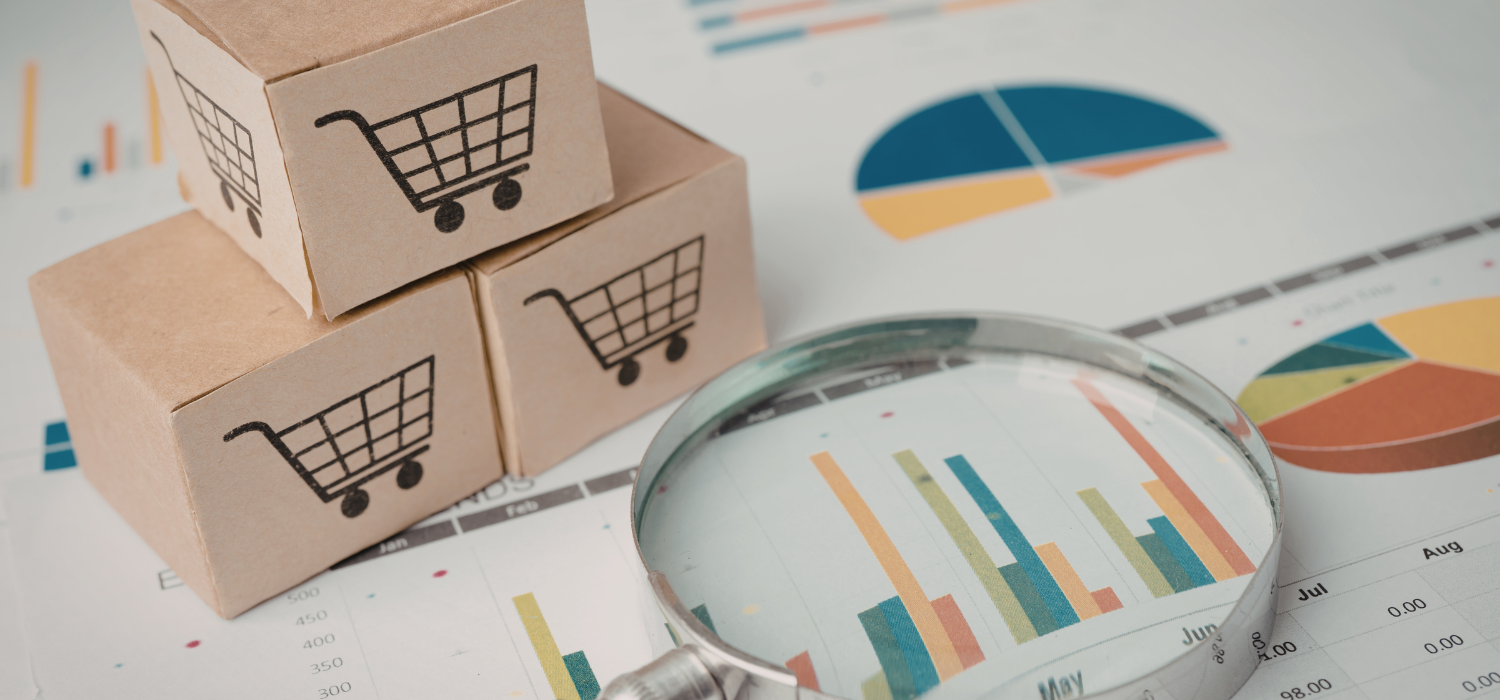
In 2022 Prime members purchased more than 300 million items in just two days. Staggering numbers that made last year’s event the most successful Prime Day in Amazon’s history with an average of about 100,000 items sold per minute, according to the company.
According to estimates, users then spent an estimated $12.5 billion to grab their favorite products at a discounted price.
Top-selling products
Among the most purchased products in 2022 during the 48 hours of discounts are: Amazon devices, Electronics and home products, beauty products, toys, clothing, and, finally, pet products.
The impact of Amazon Prime Day
Behind such high numbers, squeezed into such a short time frame, however, one needs to wonder what the impact is on the logistics sector through which the purchased product can peep into our hands.
Millions of packages to be delivered to millions of addresses in a very short time: the premise seems anything but sustainable. Yet, there is a way to make Amazon Prime Days-and eCommerce in general-greener and it has to do with deliveries and returns.
How to make Amazon Prime Days more sustainable
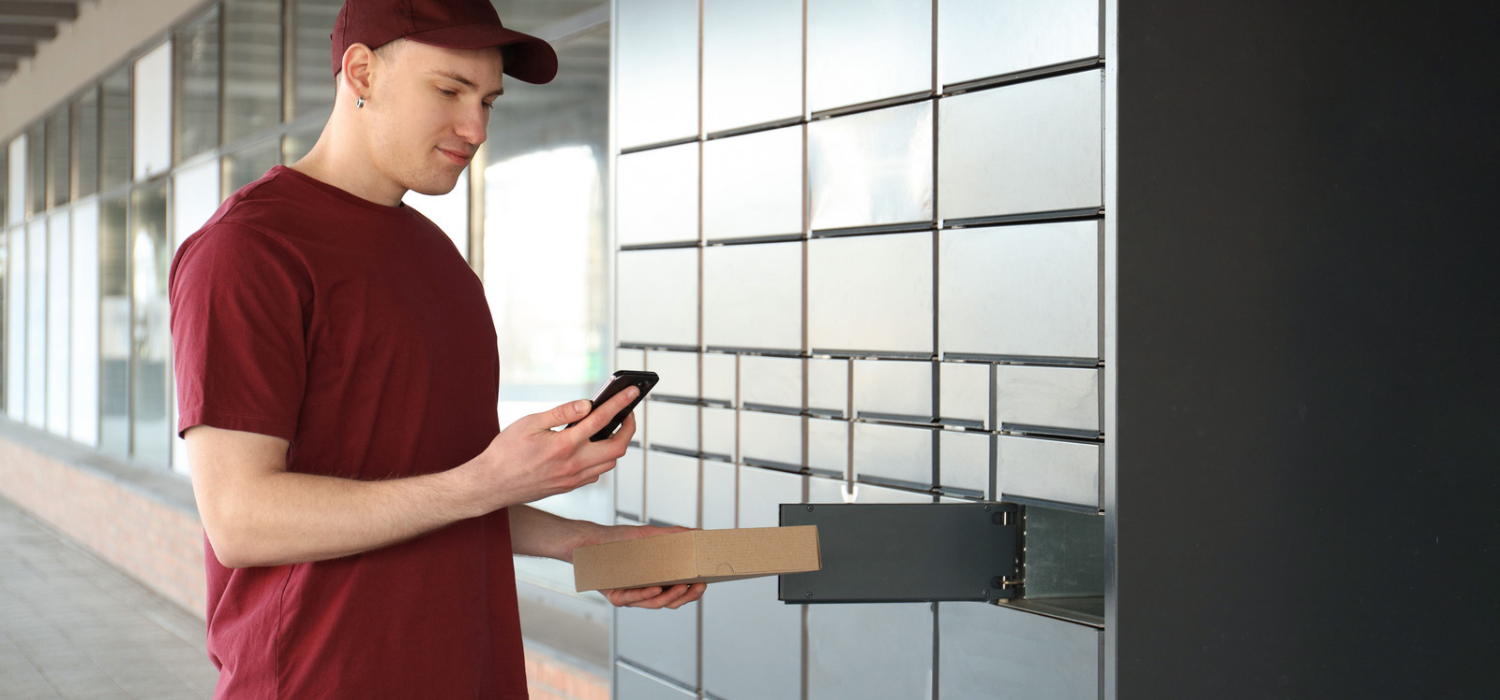
We are talking about deliveries – and returns – alternatives to traditional home delivery, a method that is increasingly popular with consumers as also shown by the recent NetRetail 2023 research by the Netcomm Consortium from which it emerges that in 2023 deliveries at Pickup Points and Lockers reached 15.9 percent of total online product purchases in Italy.
Benefits of delivery at Locker and Collection Points
Reduction in missed deliveries
In fact, so-called Out Of Home deliveries make it possible to avoid the need for couriers to deliver packages to your home, sometimes even having to make multiple attempts before the delivery is successful. Although several solutions are being studied to curb the problem of missed deliveries, including Real-time tracking, In-home delivery, and geo-localized deliveries, Locker and Pickup Points as of today represent the optimal solution especially for consumers who can thus enjoy greater flexibility by being able to choose where and when to pick up or return packages according to their needs.
Lower environmental impact
Moreover, according to data from the Milan Polytechnic’s B2c eCommerce Observatory, comparing Home Delivery and Out Of Home solutions in an urban context and in a more rural context shows that thanks to Parcel Lockers it is possible to save up to 73% in emissions in urban and up to 76% in non-urban contexts, as long as the customer does not move away from what is the route he or she would normally have traveled.
Reduced costs
But that’s not all. Also benefiting is your wallet: comparing Home Delivery and Out Of Home solutions in an urban and a more rural context shows that thanks to Parcel Lockers you can save in terms of euros per delivery up to 60% in the case of an urban context and up to 65% in the case of a more rural context.
So, if you want to make your online store more sustainable and give your logistics an efficiency boost, the answer lies in delivery alternatives to traditional Home delivery: Locker and Pickup Points.
But how do you integrate Lockers and Pickup Points to your online store?

The answer comes from Gel Proximity: the world’s first technology that places Last Mile Logistics at the center of the purchasing process, directly managing the relationship between checkout and the Proximity solution chosen for the pickup or return of a package. In fact, thanks to GEL Proximity you can integrate over 125,000 already active Pickup Points and Lockers throughout the country and internationally to your online store.
Contact us to find out more!