
Sales are one measure of eCommerce growth, but growth also depends on how well a business manages what happens after an order is placed. For Shopify merchants, reaching new customers and entering international markets means organising deliveries and returns across different regions while balancing varying customer needs, service coverage and operating costs.
Shopify’s new report, The Entrepreneur Effect, offers a starting point for exploring this side of eCommerce growth. How can online stores build a logistics operation that keeps pace as they expand? Lockers and pickup and drop-off points (PUDO) can play a practical role, starting with the delivery options customers see at checkout.
Shopify grows in Italy and helps merchants sell abroad
According to Shopify, its Italian ecosystem generated €11.3 billion in economic activity between 1 July 2025 and 30 June 2026. The figure includes the effects on supply chains and related businesses, capturing a broader economic impact than online store sales alone.
Another finding is particularly relevant to logistics. Between 2022 and 2026, cross-border sales by Italian Shopify merchants grew by 253%, highlighting the growing importance of international markets for businesses on the platform.
Expanding abroad brings practical decisions. Which services should merchants offer in each country? How should customers be able to receive their orders? How will returns work? The answers help determine the quality of the service customers receive.
Shipping on Shopify starts with the choices at checkout
At checkout, shoppers decide how and when they want to receive their purchase. Alongside the price of the product, they weigh shipping costs, delivery times and the options available, such as home delivery or collection from a locker or pickup point. These details can determine whether they complete the order.
Think about the last time you shopped online. If you reach checkout and realise your parcel is due to arrive when you already know you’ll be out, and there’s no other delivery option, you’ll probably abandon the order or put off the purchase. That’s a frustration shoppers recognise wherever they live.
For merchants, setting up shipping on Shopify means deciding which options customers should see before they pay. Home delivery may suit someone who can be there to receive the parcel. Someone who spends most of the day away from home may prefer a pickup point near work or somewhere along their usual route. Merchants can plan for both and give customers the choice at checkout.
Lockers and PUDO points give customers more delivery options
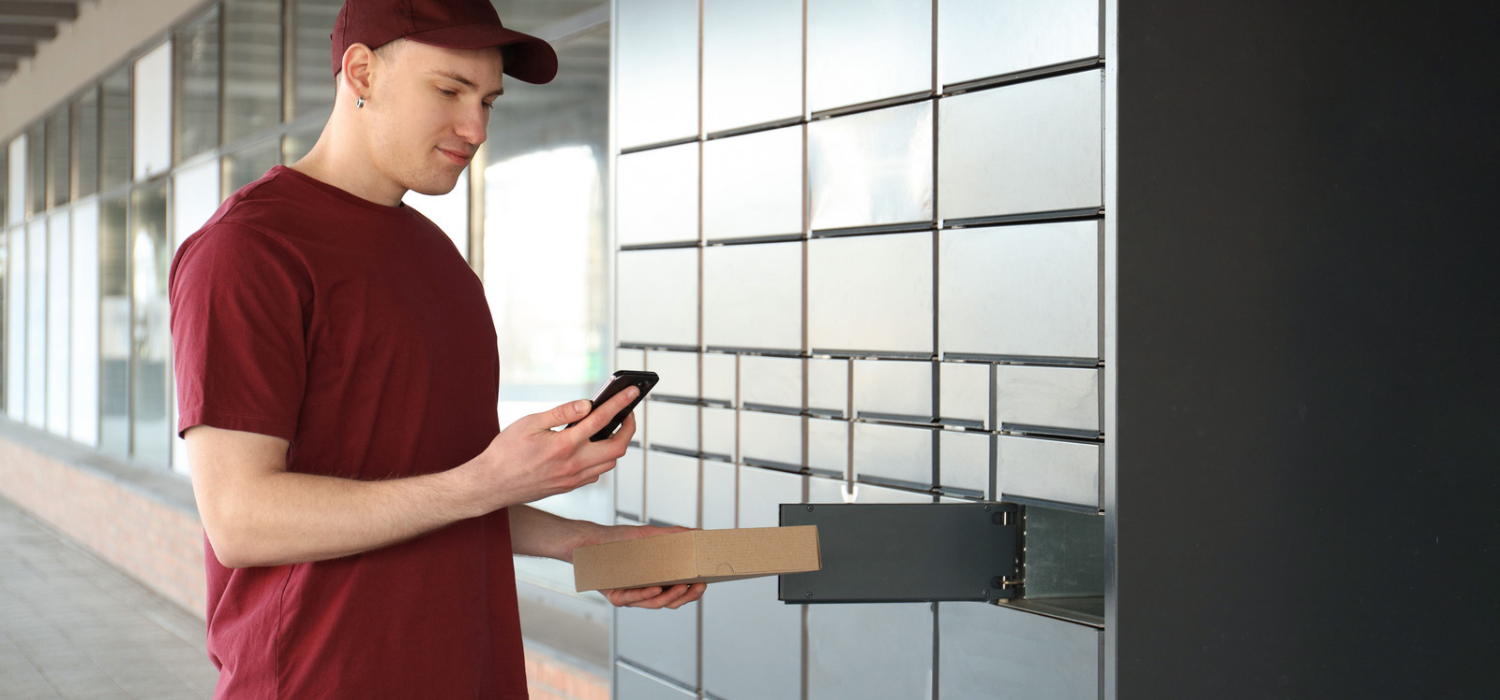
Out-of-Home delivery adds lockers and pickup and drop-off points to the shopping journey. Customers select an available location that fits their routine. Once they receive a notification that the parcel has arrived, they can collect it within the time allowed by the service.
When choosing a locker or pickup point, customers consider practical details such as how far it is from home or work, when a staffed pickup point is open and how long they have to collect the parcel. The value of offering these options at checkout depends on whether customers can easily reach the locations and use them at times that suit them.
Selling in more markets requires accessible delivery networks
When an eCommerce business expands into new markets, it needs to assess how well each delivery network covers the areas it serves. The total number of locations tells only part of the story. Merchants also need to look at the services available, pricing and any shipping restrictions.
Parcel weight and dimensions, destination and service specifications all determine which options merchants can actually offer. Matching their product range and target markets with compatible logistics services helps ensure that the options customers see at checkout can be fulfilled.
Carrying the customer’s checkout choice through to shipping
The customer’s choice needs to reach the systems that prepare and handle the shipment. The ID of the selected location and the relevant delivery details must stay with the order through label generation and handover to the logistics provider.
Connecting the checkout to delivery networks and services lets merchants manage Out-of-Home delivery within their existing workflows. It also gives carriers and logistics providers the information they need to route parcels to the locations customers selected.
As an eCommerce business enters new markets, it may need to connect to additional locker and PUDO networks to cover those areas. Accessing several networks through a single integration reduces the work involved in expanding delivery options, since merchants have fewer separate connections to build and maintain.
Returns are also part of growing an eCommerce business
Logistics planning also needs to account for what happens when a customer wants to return an order. If a purchase falls short of expectations, the customer needs to know how to start a return, where to drop off the parcel and which conditions apply. A clear, simple process can help preserve trust and make customers more likely to shop with the store again, even if the product they received wasn’t right for them.
Lockers and pickup points can make returns easier by letting customers drop off parcels near home, near work or along their usual routes. Merchants should make it easy to find locations that accept returns and provide clear instructions on how to use them, including how to prepare a return label if needed and how to drop off the parcel.
Behind a convenient drop-off option, the merchant needs a process for managing the return at every stage. That includes collection from the selected location, shipment tracking, and receipt and processing at the warehouse or designated facility.
GEL Proximity for Shopify stores
To manage deliveries and returns together, merchants need technology that shows the available locker and PUDO options and gives logistics teams a single workflow for managing orders, generating labels and tracking shipments. GEL Proximity provides access to more than 1,000,000 active lockers and pickup points across Europe through a single integration.
With our Shopify app, merchants on Shopify’s Grow, Advanced and Plus plans can offer a native checkout experience that lets customers choose directly where they want to collect their orders. The integration between GEL Proximity and Shopify also supports native parcel return options, making it easier for customers to send items back.
Access to multiple networks lets merchants expand their coverage without building and maintaining a separate connection for each one. Depending on how the service is configured, merchants can use GEL Proximity’s pre-negotiated rates or their own carrier contracts.
For a growing Shopify store, this means keeping logistics in step with expansion. Merchants can choose networks that cover their target markets, offer customers convenient collection and return options, and connect those choices to their shipping workflows.
Want to offer deliveries and returns through lockers and pickup points on your Shopify store? Contact us to find the Out-of-Home options that suit your customers and the markets you sell in.