
What makes an online shopping experience truly effortless?
Making the journey from interest to purchase as seamless as possible has long been one of eCommerce’s biggest challenges. Over the years, retailers and platforms have invested in reducing the number of steps required to complete an order, speeding up payments, simplifying user registration and minimising the causes of cart abandonment. Today, however, focusing solely on the checkout stage is no longer enough.
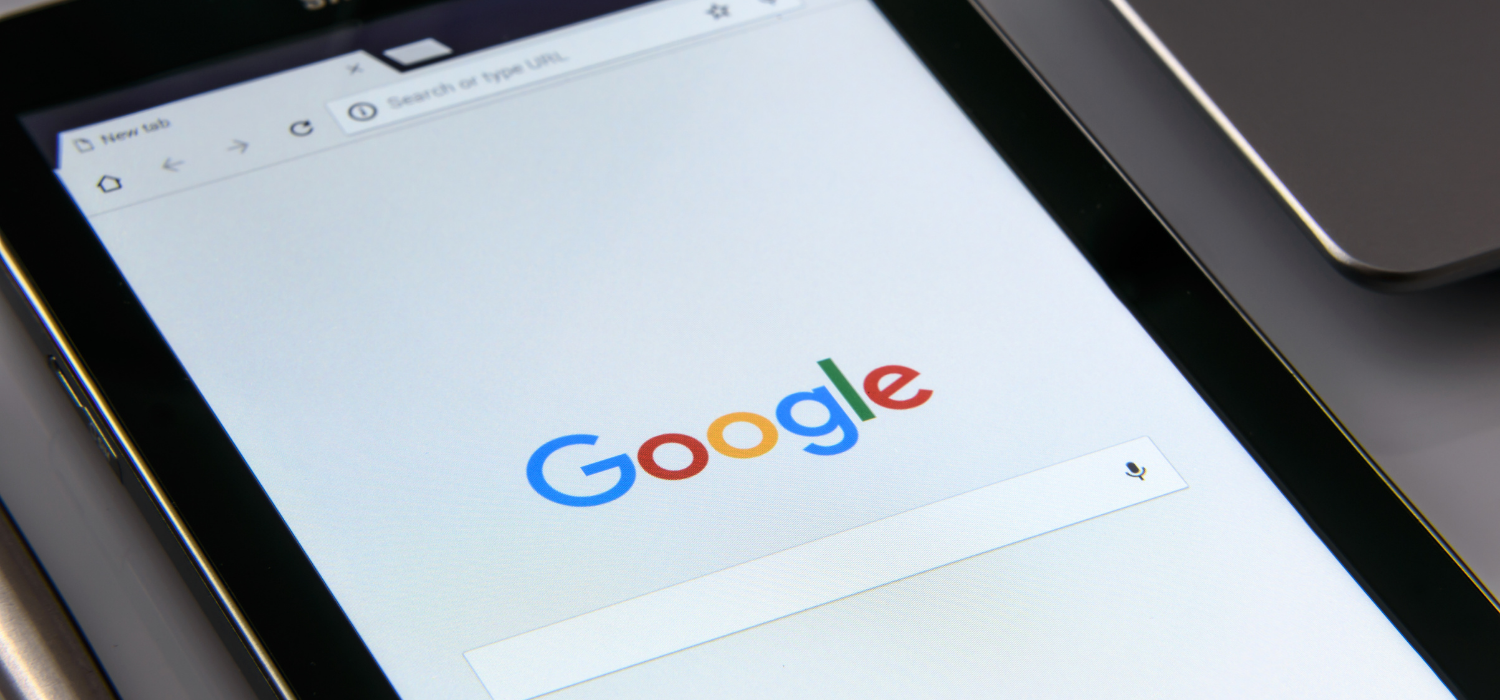
With the launch of Universal Cart, Google has introduced a new feature that allows users to find carts saved across different online stores in one place, making it easier to resume a purchase they previously left unfinished.
What makes this development particularly interesting is not so much the technology itself, but what it confirms about the direction eCommerce is heading: removing every possible point of friction throughout the shopping journey. And this transformation is no longer limited to product discovery or payment. It increasingly extends to logistics and the delivery experience as well.
Taking Universal Cart as a starting point, this article explores how the eCommerce customer journey is evolving, why a seamless experience has become a competitive factor, and the role logistics and Out-of-Home networks can play in making the entire shopping journey simpler, smoother and more integrated.
What is Google Universal Cart and how does it work?
Universal Cart is a feature developed by Google that allows users to view and retrieve, directly within the Google ecosystem, carts they have created with different participating retailers.
In practice, if a consumer adds products to an online store’s cart without completing the purchase, they can find them again during a later Google search and resume the process without having to start from scratch.
The aim is to address one of the key causes of eCommerce abandonment: the loss of continuity between product exploration and purchase. Rather than introducing a new way to shop, Universal Cart seeks to make the customer journey more seamless by removing small obstacles that, when combined, can lead to cart abandonment and ultimately affect conversion rates.
Why the shopping experience is becoming increasingly seamless
Universal Cart is just one sign of a broader transformation.
In recent years, eCommerce has progressively removed friction at every stage: simplified authentication, one-click payments, personalised recommendations, cross-device continuity and increasingly integrated customer support.
The goal is no longer simply to speed up checkout, but to create an experience in which consumers can pause and resume their shopping journey at any time without encountering disruption.
In this context, the cart is no longer simply the final step before payment. Instead, it becomes a tool that accompanies customers throughout the decision-making process, adapting to their own timing and shopping habits.
Removing friction is the new challenge for eCommerce
Every additional step at checkout can become a reason for customers to abandon their carts. Lengthy registration processes, unintuitive checkouts, unclear information about costs, shipping and return options, or overly complex procedures can interrupt the customer journey at its most critical stage. This is why leading platforms are investing in simplifying the entire customer journey.
The goal is not simply to make people buy faster, but to make purchasing feel more natural. The focus therefore shifts from the individual transaction to the overall quality of the experience, removing every possible source of friction.
Logistics is part of the shopping experience too
However, the pursuit of a seamless experience does not end with payment. A truly frictionless customer experience continues after checkout, when customers choose how they want to receive their orders.
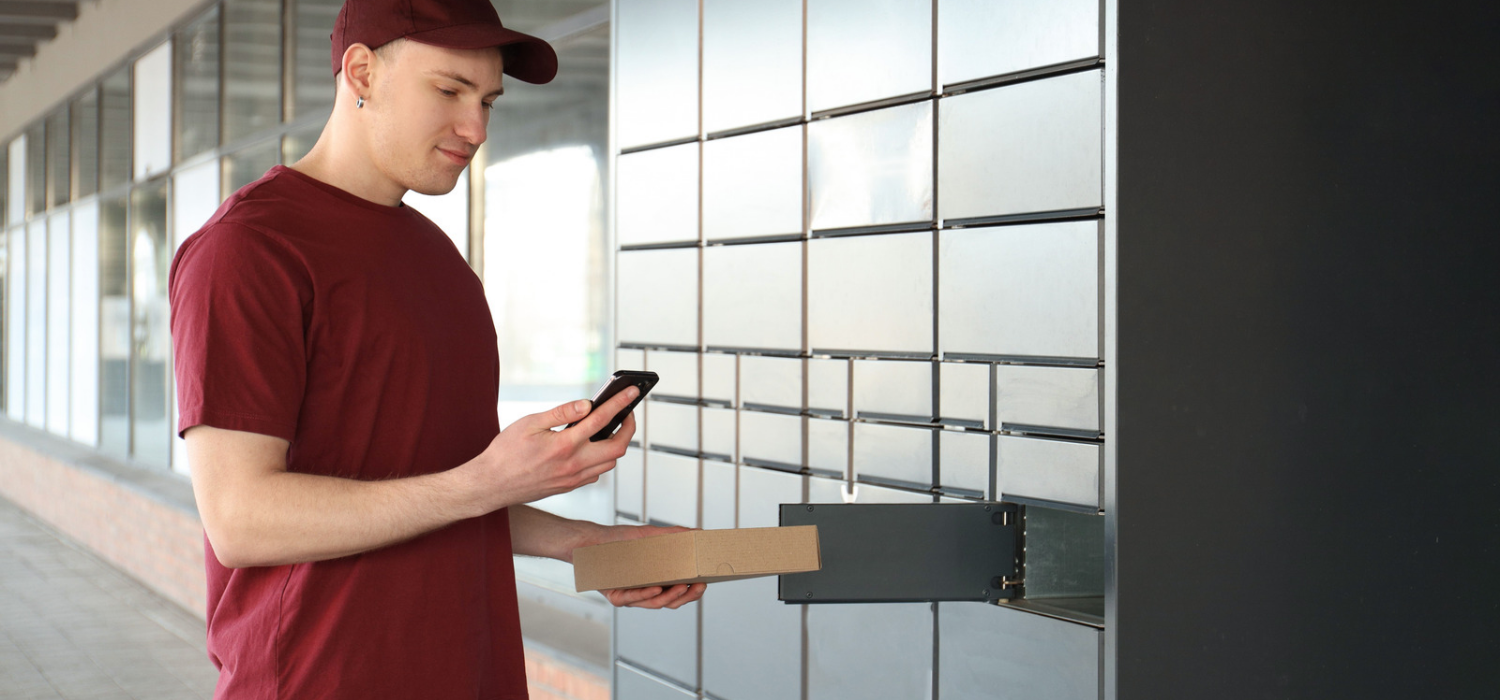
Being able to select the most convenient pick-up point, use a parcel locker along a daily route, or change the delivery method according to individual needs is now just as important as a simple payment process. If purchasing becomes effortless but delivery remains complicated, the experience inevitably becomes fragmented again.
For this reason, logistics can no longer be considered a separate stage of eCommerce. It is an essential part of the customer experience.
How GEL Proximity removes last-mile complexity
The same principle behind solutions such as Universal Cart can also be applied to logistics: reducing complexity without limiting choice.
Through the GEL Proximity platform, retailers, marketplaces and logistics operators can access more than 1,000,000 parcel lockers and pick-up points worldwide through a single integration, all connected within an interoperable ecosystem.
This makes it possible to offer consumers an increasingly wide range of delivery and pick-up options while keeping technology integrations simple to manage. The result is a smoother experience for both businesses and end customers, who can choose the delivery – or return – solution that best suits their needs without encountering unnecessary obstacles throughout their online shopping journey.
The future of eCommerce lies in a seamless experience
Google’s Universal Cart is a concrete example of how technology is progressively removing the barriers between product search, discovery and purchase. And the same evolution is now taking place in logistics.
The real goal is not to add more features, but to build a consistent experience from the beginning to the end of the customer journey, where each stage naturally connects with the next. Because a truly effortless shopping experience does not end when the customer clicks “Buy”. It continues all the way through to delivery – the moment when the end customer actually comes into contact with the brand.
Offer your customers a truly seamless shopping experience
With GEL Proximity, you can integrate more than 1,000,000 parcel lockers and pick-up points already active across Italy and the rest of the world through a single connection, simplifying the management of Out-of-Home networks while offering your customers a flexible, accessible delivery experience that is seamlessly integrated into their shopping journey.
Turn the last mile into a competitive advantage. Contact us today for more information or to request a personalised demo.