
In 2020, Contract Logistics – or Contract Logistics – became even more established reaching a total value of 49.3 billion euros (data from the Contract Logistics Observatory of the Politecnico di Milano).
In light of this, is it then possible to investigate the development potential of Contract Logistics in the near future and the solutions to support omnichannel logistics?
The benefits of omnichanneling
First of all, when we talk about omnichannelality we mean the presence of multiple channels that are perfectly integrated with each other and can therefore offer a “seamless” customer experience. In this way, information can also be integrated and shared in a much more efficient and effective model.
Compared to multichannel, in which there is low integration between the different purchasing channels made available to the end customer, omnichannel therefore seeks synergies and integration between the different channels throughout the process of purchasing a good.
Increasing consumer demands
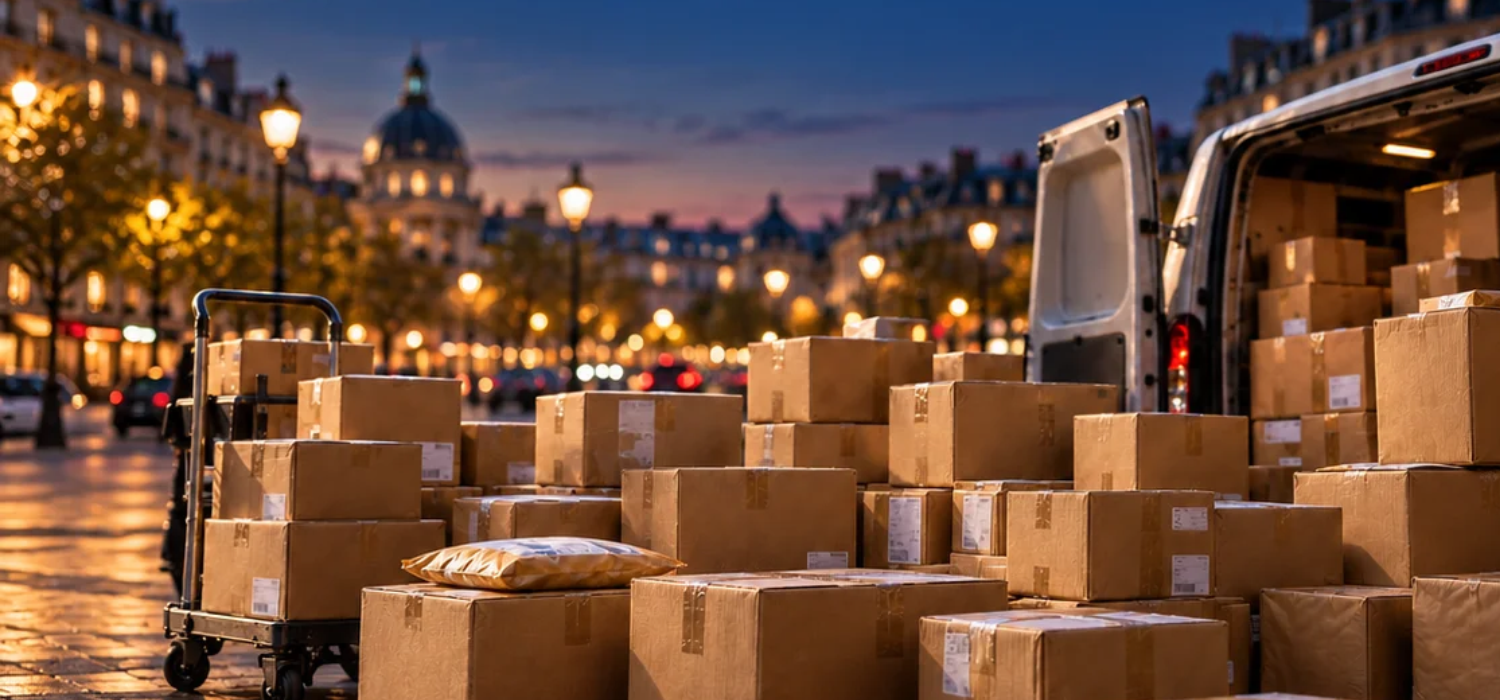
To understand the potential for the development of this strategy, one need only consider how much delivery services have changed in recent years, thanks in part to the steady increase in online sales volumes and eCommerce channels. A direct-to-home delivery (home delivery) in 24 hours was a utopia until some time ago while today it is not only the norm but also what is expected from any online sales channel. And the time we are willing to wait seems to be getting tighter and tighter. Precisely for this reason, as data from the Milan Polytechnic’s Contract Logistics Observatory also show, the past year has seen an increasing push toward “premium” deliveries, that is, those that-in most cases by paying a price premium-allow us to receive goods within a few hours of ordering.
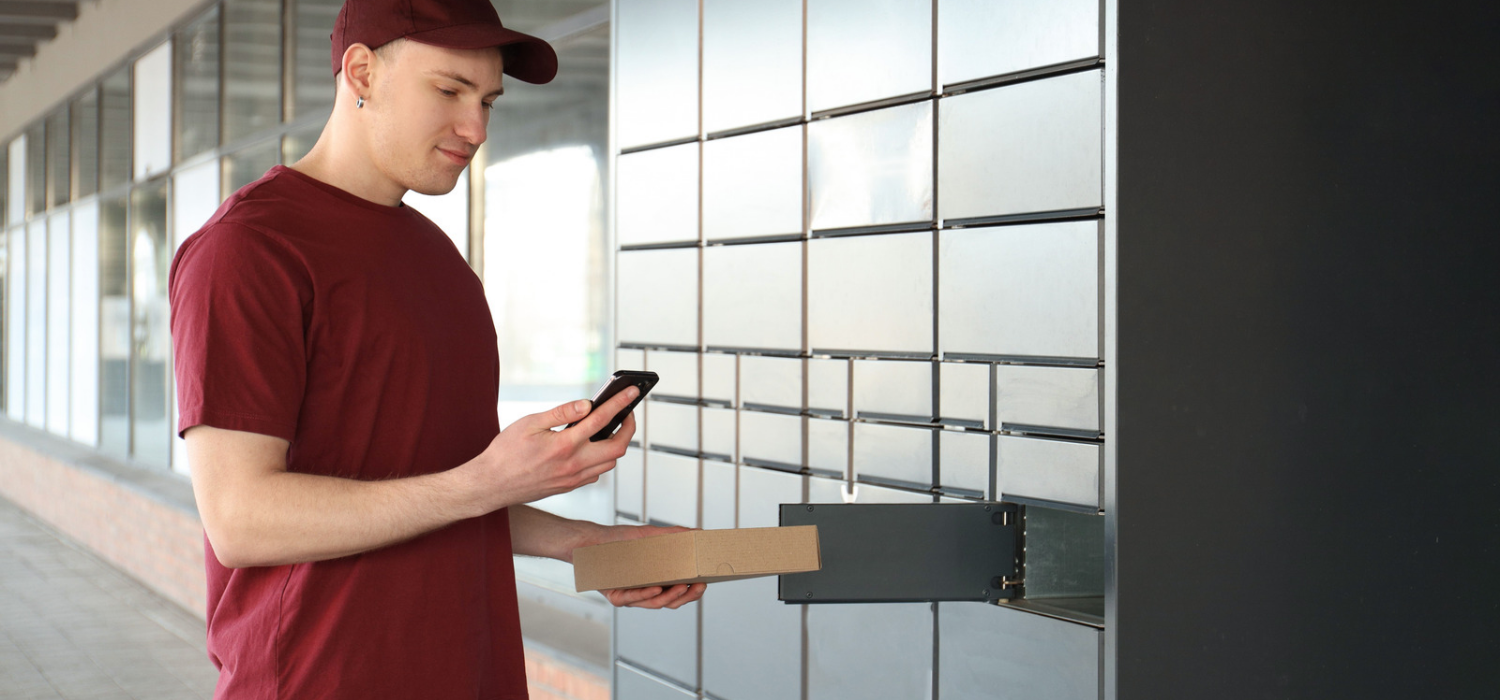
Not only that. Thanks to the various delivery methods available today, we can also choose where, how and when to receive or pick up an order placed online. All with maximum flexibility and convenience. With lockers, for example, all you have to do is pick up at your chosen pickup point to find your goods stored in a special automated locker. Flexibility for the customer has now become an indispensable element, so much so that 33 percent of users say they perceive logistics as a customizable aspect, 60 percent consider the ability to choose where the product will be delivered to be very important, and 35 percent-according to an analysis by the Baymard Institute-require more and more delivery options at their disposal.
Flexibility and resilience: this is how the supply chain is reorganized
Companies can therefore only react to customer demands by offering a variety of solutions especially in terms of delivery methods. To do this, however, it is necessary to reorganize one’s logistics chain, evaluating different solutions for setting up one’s orders such as central warehouses, proximity warehouses, logistics points within traditional stores or taking advantage of so-called dark stores.
During the Covid emergency, for example, when the large-scale retail market was suffering unprecedented stress, many hypermarkets were transformed into order staging points for home delivery, demonstrating flexibility and – most importantly – resilience. More transportation options were used, depending on the area served and the type of product, and interest in warehouse automation increased. To date, there is also a strong focus on integrated order picking management, in terms of both staffing and stock management.