
E-grocery is an ever-expanding sector, so much so that in Italy in 2021 online spending in the Food & Grocery sector will exceed EUR 4 billion, according to data from Netcomm – Politecnico di Milano.
We had already analysed the sector that drives Italian eCommerce, highlighting its trends and expectations for the future. Today, the time has come to take stock of the situation, finding out what we should expect for the year that has just begun.
The industry numbers
In 2020, due to the pandemic and restrictions, the sector had grown by 70 per cent compared to 2019, with a total value of EUR 2.7 billion and 39 million orders filled. 2021 was no different, marking a further 38% increase on the previous year.
According to a report by Mercatus and Incisiv in 2020, e-grocery will account for 21.5% of total grocery sales within five years, with an estimated value of USD 250 billion.
Convenience and speed are among the factors most valued by consumers, respectively 62% and 42% in a sample of about 60,000 US consumers. During the health emergency, safety also had a huge impact (62%).
All these elements will continue to be relevant in the post-Covid era, as consumer buying habits have changed and are unlikely to return to what they once were. In other words, we have to expect that e-grocery numbers will continue to increase.
Industry trends for 2022
The American company Brick Meets Click has compiled a list of the most impactful trends in retail. We have extrapolated the five most relevant ones. Here they are.
1. Growing importance of digitisation
Technological innovations, from machine learning to the cloud, have made it possible to make data analysis faster, more efficient and more efficient, thus enabling companies that have digitised their businesses to be more agile and flexible according to consumer needs. Therefore, investing in digitisation in the near future is an indispensable element in order to be competitive.
2. Waiting times for consumers are reduced
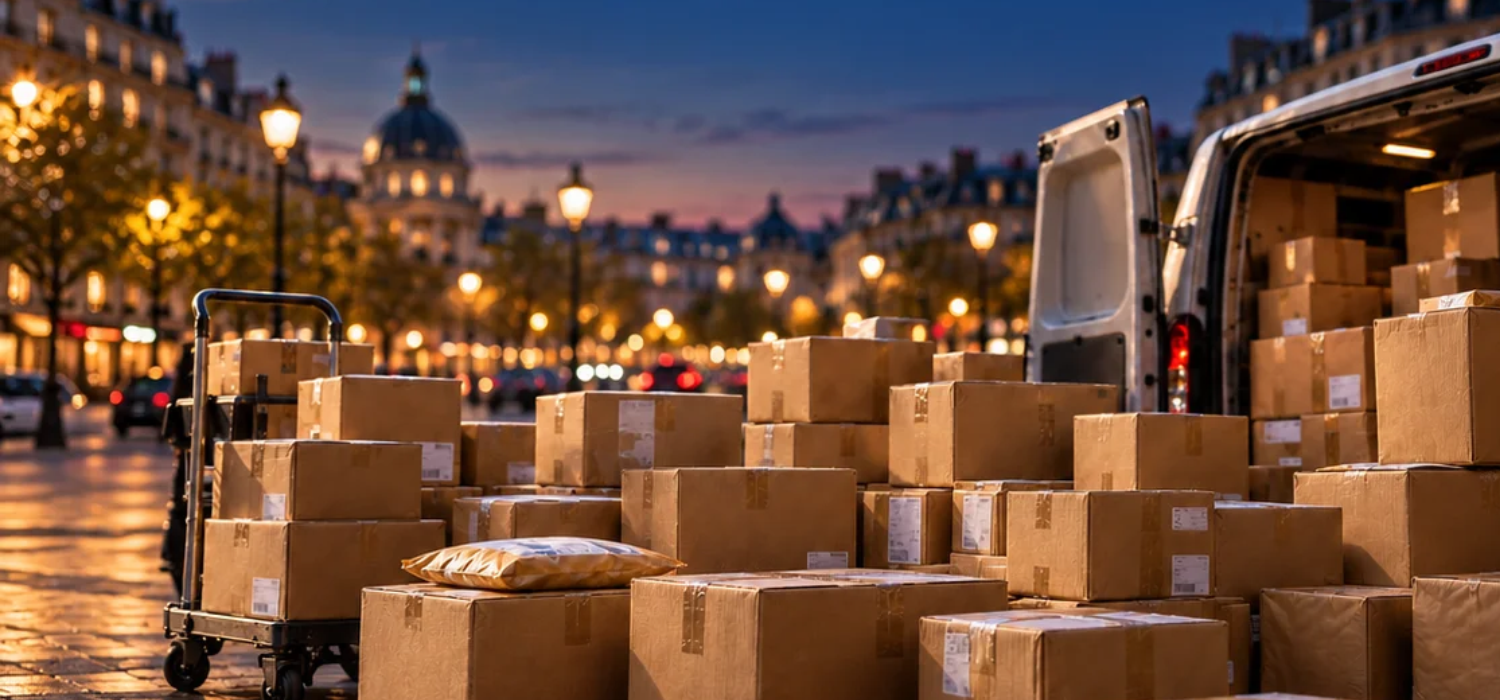
The demands of consumers, who have become accustomed to online shopping, have become increasingly demanding over time, especially with regard to delivery times. For this reason, the need has arisen to exploit proximity warehouses dedicated exclusively to online shopping, the so-called Dark Stores, which we have also discussed here, capable of preparing and processing orders within a few tens of minutes. A much appreciated service, but one that risks creating a damaging short-circuit for the resilience of the entire logistics system if not properly managed.
3. Increasing need to provide clear information to consumers
The cost of products is no longer sufficient in itself to satisfy the needs of consumers, who are increasingly attentive to factors such as sustainability and the environmental impact of the products they buy. For this reason, e-grocery will also have to adapt by providing its customers with more precise and specific details on individual products, as well as justifying their prices in the light of increasing competition.
4. Home delivery is evolving
The boom in home delivery in recent years has led to an acceleration of new delivery options. New low-cost, self-driving home delivery vehicles are already being tested or even launched.
5. Alternative modes of delivery are spreading
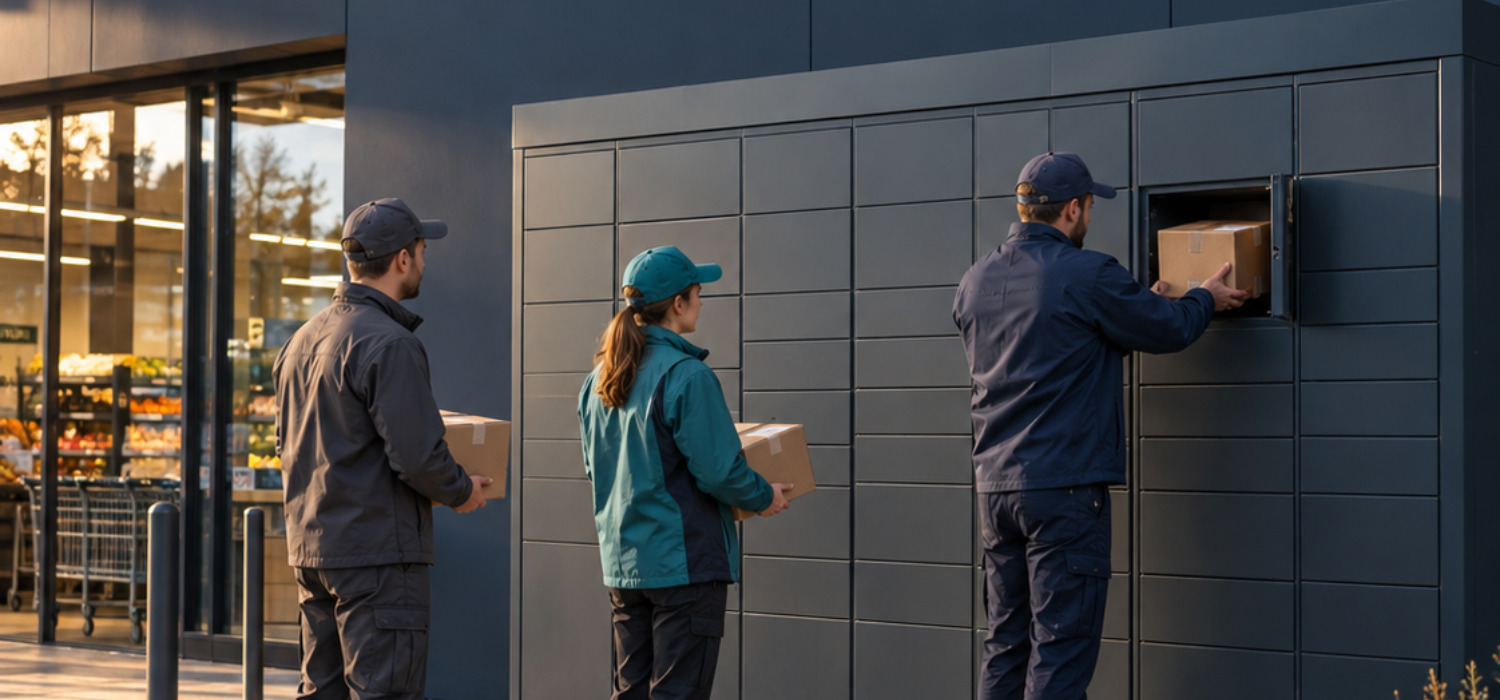
Alternative modes of delivery to home delivery, such as pick-up and Click & Collect options for the collection of groceries at the point of sale (in this article we explored how to offer a more efficient service), will also be enhanced thanks to increasingly advanced technologies and automated order management systems. Alternatives also include Lockers and Pick-up Points, for which ways are being explored to incentivise their use (we talked about them here), as they are a flexible and sustainable solution to traditional home delivery.
Do you have an eCommerce shop and want to try this delivery method yourself? GEL Proximity is the first aggregator of Collection Points in Italy that allows you to integrate thousands of proximity logistics solutions throughout the country.
Find out more about our services now! Contact us.