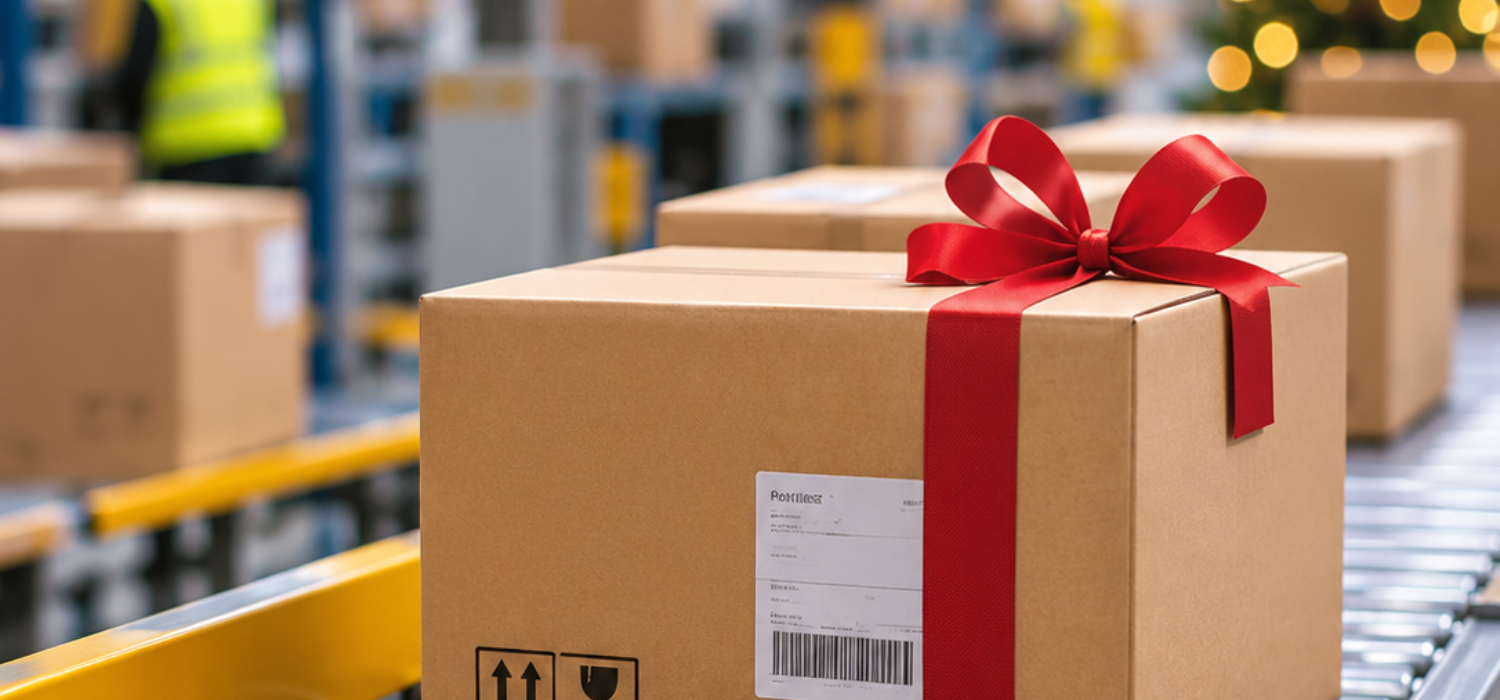

The eCommerce peak season is in full swing. Between Black Friday and Christmas, online stores face a surge in shipments during the very weeks when meeting the delivery dates shown at checkout matters most to shoppers. To keep those promises, retailers need to track each order from fulfilment through delivery or collection, spot potential delays early and let customers know if the expected delivery date changes.
So which aspects of logistics should retailers focus on once the eCommerce peak season is already underway? From the dates shown at checkout to collection reminders, here’s how to manage deliveries in the run-up to Christmas and give shoppers more flexibility with parcel lockers and pickup points.
eCommerce Peak Season: What to Expect
The figures give a sense of the scale. From 19 November to 1 December 2026, Italy is expected to see 44.3 million parcels, up 6.6% from 2025, and 27.4 million online shoppers. Online spending during Black Friday week is estimated at around €4.3 billion (Estimates from Netcomm and the B2C eCommerce Observatory at Politecnico di Milano).
The pressure on logistics continues after the promotions end. In the days following Black Friday, online stores still have to fulfil the last promotional orders, manage shipments already in transit and handle the first return requests, all while Christmas shopping generates new orders.
Even as daily sales start to slow, logistics teams can still face a heavy workload. Here’s where to focus to keep shipments moving.
Update Delivery Dates at Checkout
Start with checkout. The delivery date customers see before placing an order should account for both the time the warehouse needs to prepare it and the time the carrier needs to deliver it. If the backlog grows, update the date shown at checkout.
As Christmas approaches, apply the same principle to the last day customers can order for delivery in time. The cutoff depends on stock availability, warehouse capacity, the destination and the shipping service selected. A single cutoff for all orders can be unrealistic, especially for destinations with longer transit times.
Post-purchase updates need the same level of precision. Creating a shipping label and handing the parcel over to the carrier are two distinct steps. Showing both clearly helps customers see whether their parcel is still at the warehouse or already on its way. It also helps customer service pinpoint where a delay occurred.
Out-of-Home Delivery: Check Locker and Pickup Point Availability
At checkout, customers also need to choose where to receive their parcel.
Out-of-Home delivery allows carriers to drop off several parcels in a single stop and customers to collect their orders at a convenient time. A pickup point near the office may suit someone who is away from home all day, while a locker on their regular route can help them keep a Christmas gift a surprise.
To choose a location that fits their routine, customers need to see how far away it is, when it’s open and how long they have to collect their parcel. Access hours matter for lockers too. If a locker is inside a shop or shopping centre, access may depend on the venue’s opening hours.
During the eCommerce peak season, keep an eye on capacity across pickup locations. As volumes rise, lockers can run out of available compartments and pickup points can run low on storage space. The options shown at checkout should reflect the availability reported by each network, and delivery estimates should account for the selected service and current operating conditions.
How to Reduce Missed Parcel Collections During Peak Season
With Out-of-Home delivery, the customer journey continues after the parcel arrives at the locker or pickup point. Collection is the final step, and it needs close attention during peak season.
If customers miss the notification, struggle to find the collection code or forget the deadline, their parcel may stay at the location until it’s returned to the sender. In the meantime, it takes up space needed for incoming deliveries.
The notification should make it immediately clear where, how and by when to collect the parcel. Include the address, collection instructions and any required code. A reminder before the deadline can help customers who still need to collect their parcel. Up-to-date tracking lets retailers send that reminder only to those who need it.
With GEL Proximity, online stores can track how many days customers have left to collect their parcels and set up dedicated notifications. This helps retailers identify parcels approaching the deadline and track them through collection.
Keep Customers Informed About Delivery Status
During peak season, it’s essential to keep customers informed, especially when delivery plans change after checkout.
If an order is split into multiple shipments, each notification should say which items are on their way and which are shipping separately. If a parcel is redirected to another locker or pickup point, make the new address easy to spot. When a delay occurs, tell the customer as soon as you become aware of it, explain what you know and say how to contact customer service. Share a revised delivery date once you have a reliable estimate.
Keep updates consistent across channels. If an email gives the customer a new pickup address, the tracking page should show it too. That way, customers checking their order later can see where to go without looking through earlier messages.
eCommerce Logistics During Peak Season: Five Metrics to Monitor
To notify customers in time, retailers need to spot changes early. Daily checks from the warehouse through to collection help identify where delays are building up and which shipments need attention.
- Orders awaiting handover to the carrier, grouped by the number of days they’ve been waiting.
- Shipments running past the delivery date given to the customer, broken down by service and destination. Flag shipments whose tracking hasn’t been updated within the timeframe expected for that service.
- Parcels ready for collection at a locker or pickup point, with particular attention to those nearing the collection deadline.
- Customer service requests, grouped by reason and tracked as a share of total orders.
- Returns to sender and customer returns, tracked separately to distinguish uncollected parcels from returns initiated by customers.
For example, if more orders are sitting at the warehouse before handover, check how long it takes to prepare them and for the carrier to collect them. If many customers contact support for their locker access code, check that the code is easy to find in the collection notification and that the instructions are clear.
How to Manage eCommerce Returns During Peak Season
While the warehouse is preparing new orders, the first peak-season purchases are already on their way back. To manage both flows at once, give customers clear instructions on how to start a return, where to drop off the parcel and how to track it.
Where the service is available, lockers and pickup points can give customers more flexibility over where and when they return a parcel. The instructions should reflect the network’s requirements and explain how to pack the item and whether a return label is needed.
Return updates should show three distinct stages: “Your parcel is in transit”, “Your parcel has arrived at the warehouse” and “Your return is being processed”. Showing receipt and processing as separate steps helps customers understand where their return stands and what to expect without contacting customer service for an update.
eCommerce Deliveries During Peak Season: From Checkout to Collection with GEL Proximity
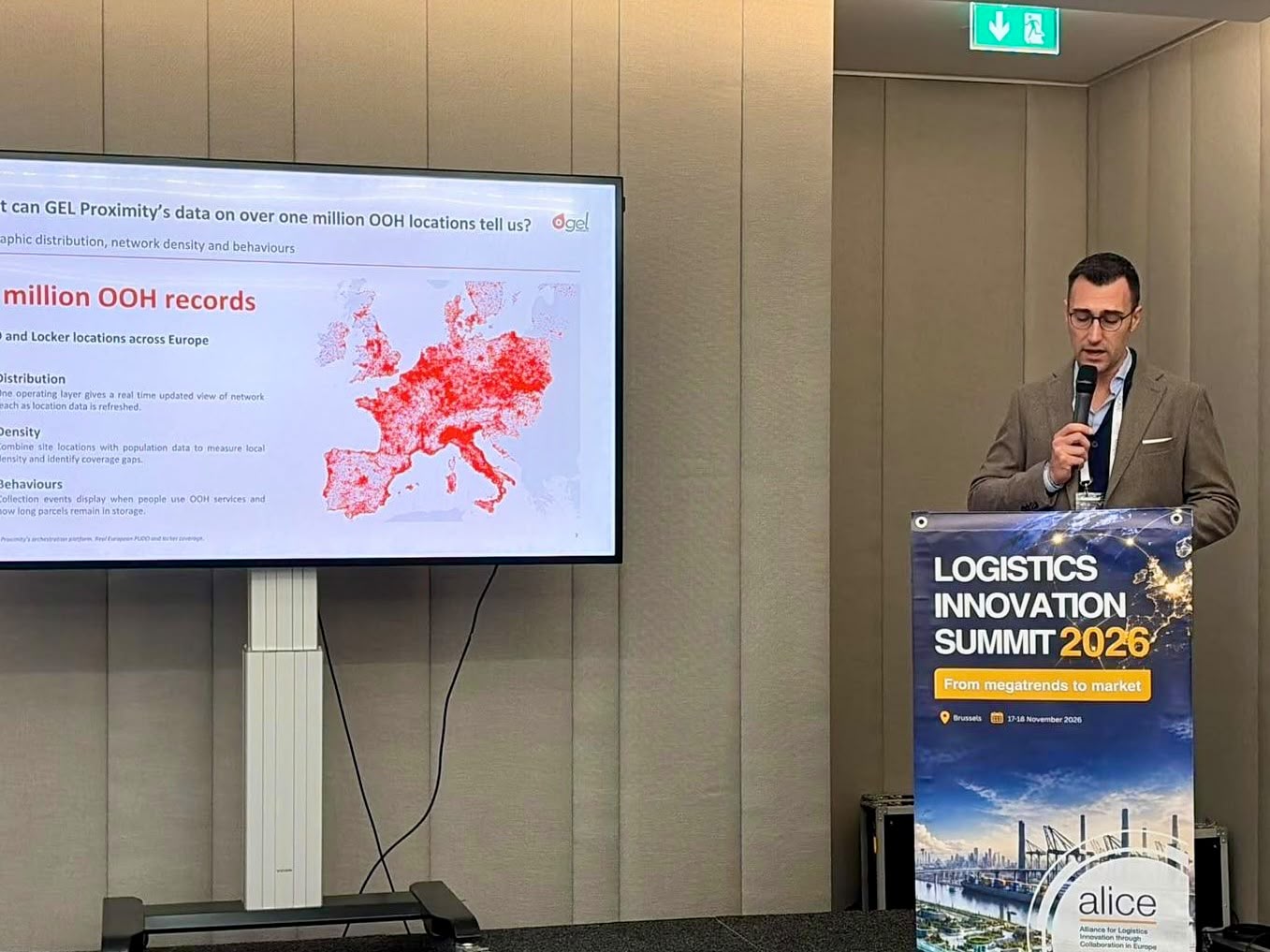
With GEL Proximity, you can offer Out-of-Home delivery at checkout and give your customers access to a network of more than 1 million lockers and pickup points already operating in Italy and around the world.
From a single platform, you can manage shipments and returns, track parcels and see how many days are left for collection. You can also set up post-purchase notifications to let customers know when their parcel is ready and remind them of the deadline if they haven’t collected it yet.
Want to offer Out-of-Home delivery in your online store or expand your existing pickup options? Let’s talk!