
Every time we make a purchase at a physical store or eCommerce site we are building a relationship with the brand or store we choose to go to. This relationship is influenced by several factors, such as other people’s opinions, social networks, advertising and, most importantly, our personal experience.
This means that if you own an online sales channel, you need to make sure that you provide your customers with the best possible experience so that they will have a good memory of you and come back to buy in the future. In other words, you need to make sure that your customers build loyalty. How?
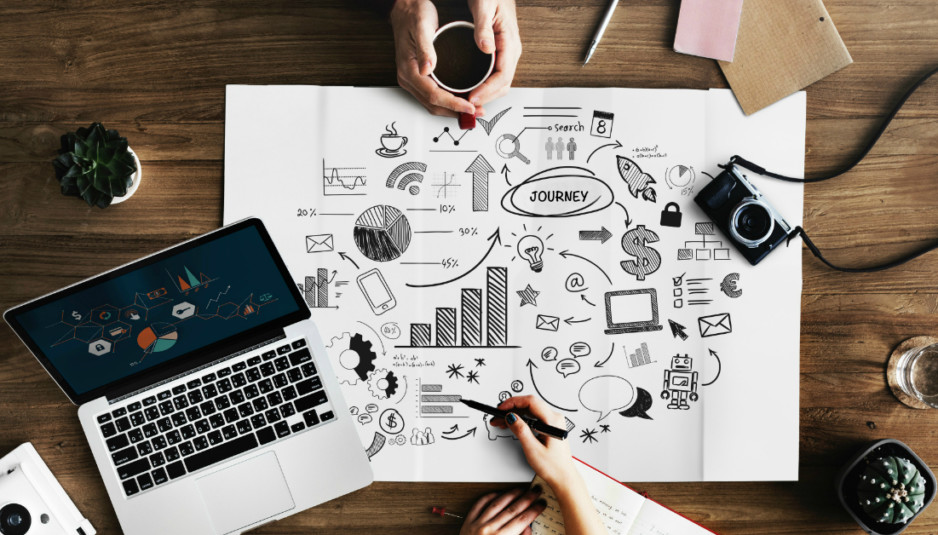
By improving each and every step of the buying journey that your customer or potential customer takes. This path is none other than the customer Journey, which consists of five stages. Here is how you can take action on each of them.
The five stages of the Customer Journey
1. Product Knowledge.
A potential customer must first learn about a product or service in order to think he or she might need it, whether your eCommerce is newly online or already established and in need of new customers.
A user learns about your product or sales channel through various touchpoints, from the evergreen word-of-mouth to social and more traditional advertising. For this reason, it is crucial to target your audience and set up a good advertising campaign leveraging all online and offline channels at your disposal.
2. Evaluation of the purchase
At this stage, the potential customer evaluates whether buying your product or service would meet his or her particular need. The evaluation is based on personal factors, however, which you can intercept and therefore work on, for example by having the user come into contact with your reality several times by again taking advantage of the tools made available by marketing.
3. Information research
This is a further evaluation phase in which the potential customer seeks more information to reinforce and validate the idea he or she has of your product, brand or sales channel. For this reason, it is critical that you have a positive online reputation through reviews and feedback from satisfied customers. At this stage, customer care also plays a key role in being able to answer any doubts and questions that users may feel the need to ask.
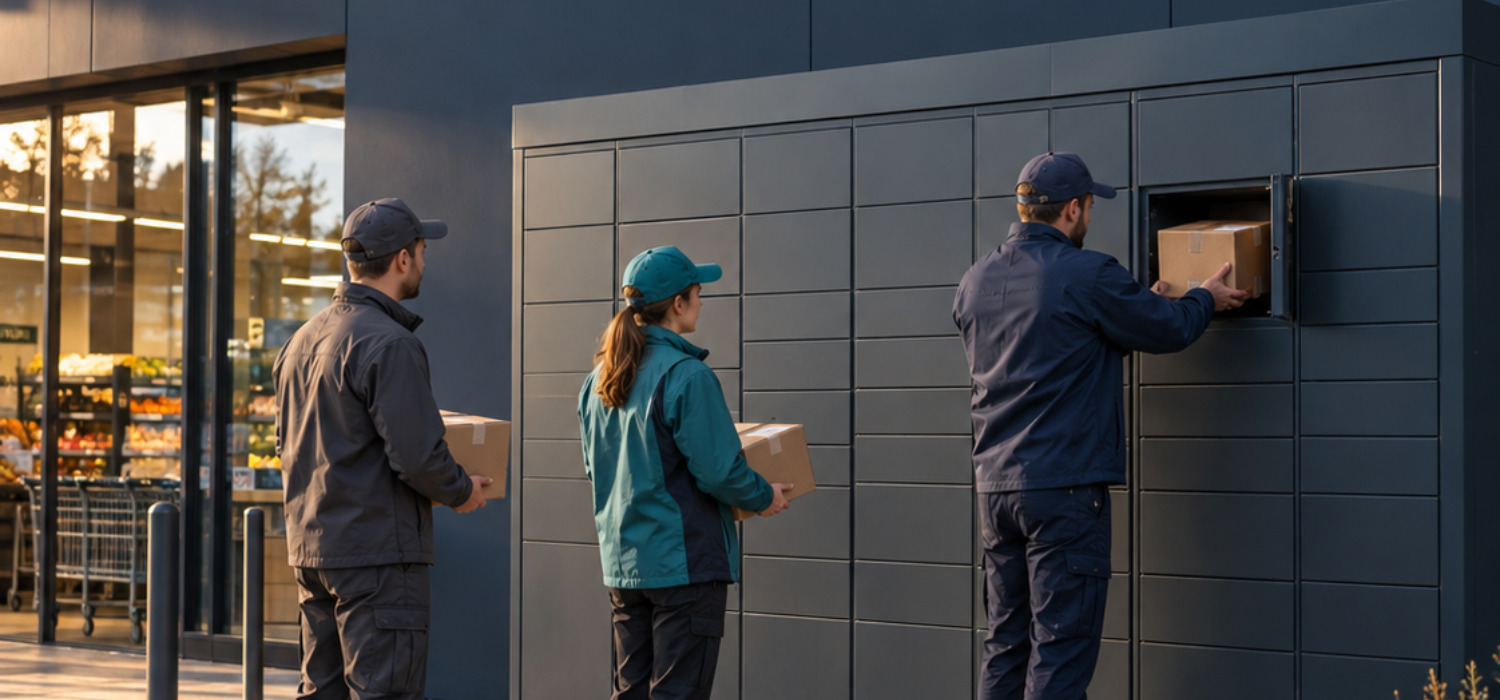
Today, users have at their disposal considerably more tools than in the past to create an opinion about a brand or sales channel. TV, social networks and the Internet itself have made the buying process much more complex and articulated. Omnichanneling, i.e., the integration of physical and digital touchpoints that takes the form of, for example, placing an order online and picking it up at a Pickup Point or Locker, is also an example of how complex a consumer’s journey to complete a purchase can be.
To date, the only platform that can connect more than 30 thousand Lockers and Pickup Points in Italy is GEL Proximity. If you own an eCommerce channel and want to improve your customers’ shopping experience by integrating your shopping cart with thousands of logistics solutions that Proximity, contact us here.
4. Purchase Intention.
If the previous steps have convinced your potential buyer, the buyer may decide to complete the purchase. At this stage, it is therefore important that the would-be customer can get to your online store in a few steps to complete the purchase as quickly as possible. So make sure that the steps he or she needs to go through are few, simple and clear and that he or she enjoys all the assistance he or she may need at the purchase stage.
5. Conversion and purchase
This is the last stage of the costumer journey, that is, the one in which the potential customer becomes a customer by completing his purchase on your sales channel. The last, but not the least important, since this is where most customers decide to abandon the cart and put away all previous intentions previously made.
Remember…
If the time between the first and last steps is too high and conversions are low, it means there are steps you still need to work on to make your users’ shopping experience optimal.
You will be able to find this information by collecting, analyzing and processing data from different touchpoints, such as your website, social channels the CMRs (which we also discussed here) and so on.
What about you, how do you manage your customers’ Customer Journey?