
The global proximity marketing market continues to grow.
According to the latest market analyses, the global proximity marketing industry is expected to grow at a compound annual growth rate (CAGR) of 5.8% over the coming years, confirming the increasing interest of businesses in technologies and tools capable of reaching consumers at the right place and the right time.
This trend reflects an evolution that is now becoming increasingly clear: proximity has become a strategic driver for strengthening customer relationships. However, limiting this phenomenon to marketing activities alone risks providing only a partial view of a much broader transformation.
Today, proximity is no longer measured solely by a brand’s ability to engage consumers with personalized messages. It is also defined by its ability to offer a shopping experience that is simple, accessible, and seamlessly integrated into customers’ everyday lives. This is where marketing, retail, and logistics increasingly converge.
What is proximity marketing and why is the market continuing to grow?
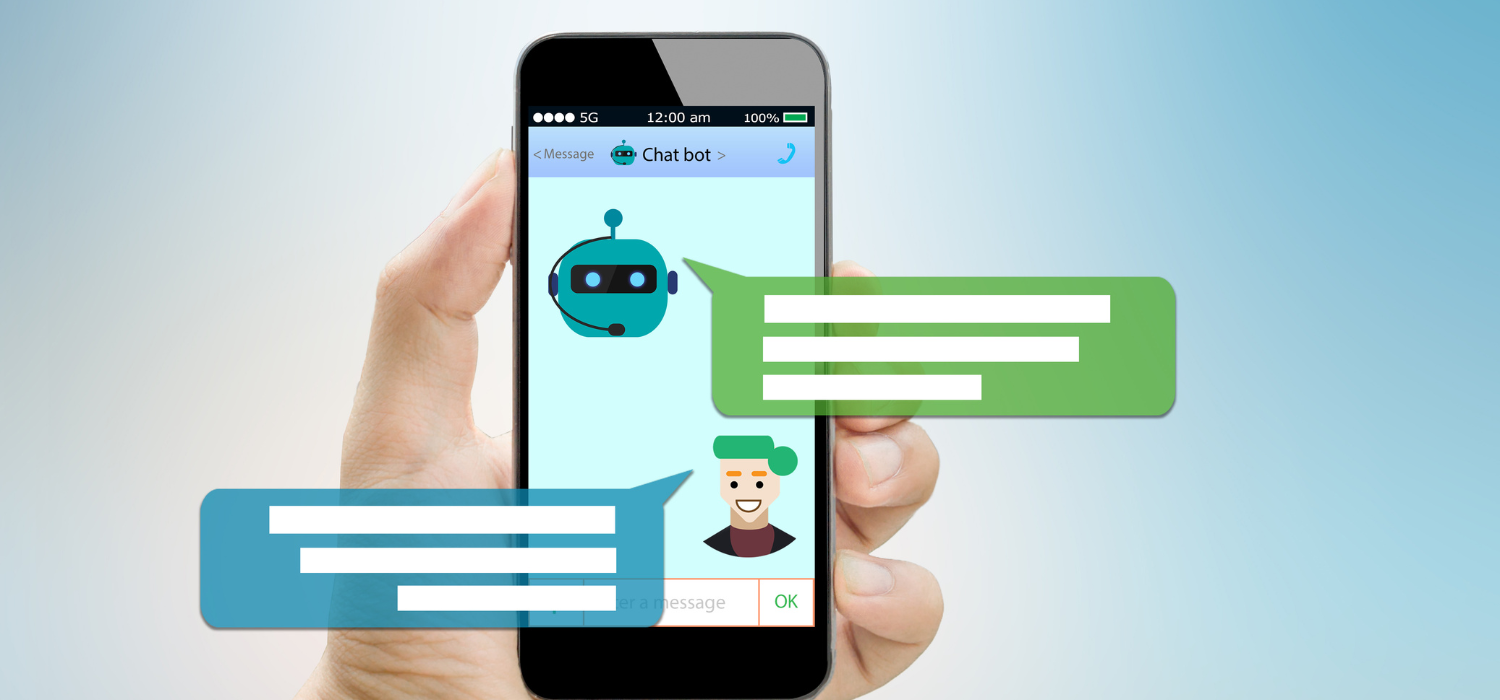
Proximity marketing includes all the strategies that enable brands to communicate with consumers based on their geographic location, leveraging technologies such as geolocation, beacons, NFC, Wi-Fi, and mobile applications.
A common example can be found in the mobile apps of major retail chains. When customers are close to a store, they may receive a smartphone notification featuring a personalized promotion, a coupon that can be redeemed immediately, or a reminder about a product saved in their wishlist. The objective is to transform physical proximity into an opportunity for engagement and, ultimately, for purchase.
The projected growth of the market confirms that this approach is now widely recognized as a strategic priority and represents one of the key drivers shaping the future of modern retail.
Why proximity is no longer just about marketing
The growing focus on proximity also reflects a broader shift in consumer behavior.
When customers decide where to buy a product, they certainly consider factors such as price, quality, and product selection. However, they increasingly value the simplicity of the entire shopping experience: how easy it is to reach a store, collect an order, return a purchase, or choose the most convenient delivery option.
In this context, proximity becomes a criterion that spans every stage of the customer journey. It is no longer limited to the moment when a brand communicates with customers, but also extends to the moment when it delivers on its service promise.
Proximity retail and logistics: when the experience continues after the purchase
The evolution of eCommerce has further expanded the meaning of proximity.
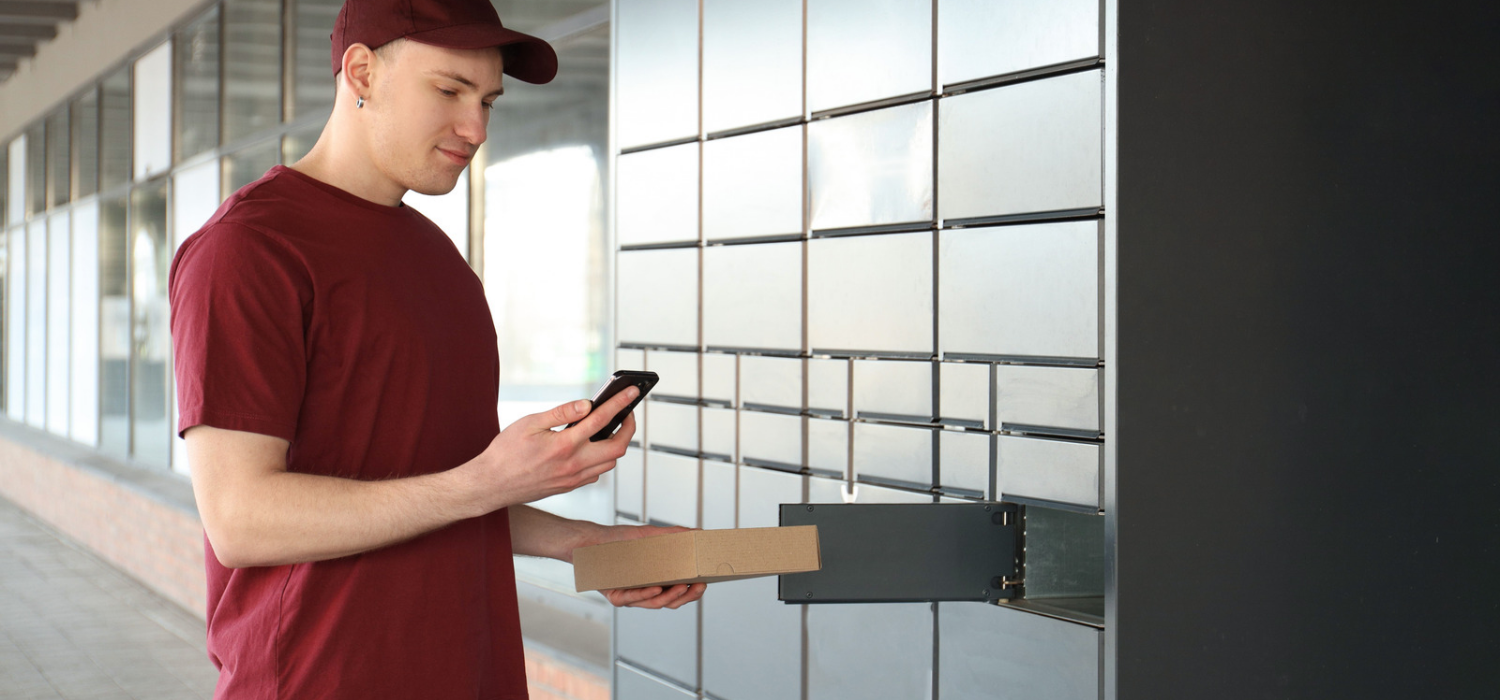
A collection point conveniently located along a customer’s daily commute, a parcel locker available 24/7, or a retail store that allows customers to both collect and return online purchases are all different ways of delivering the same value: reducing the distance between consumers and the service.
For this reason, the role of the physical store is evolving. Alongside its traditional retail function, it is increasingly becoming a collection point, a returns center, a logistics hub, and a key node within an increasingly extensive distribution network.
Proximity, therefore, is no longer tied to a specific location. It is defined by the ability to make services easily accessible whenever and wherever customers need them.
The opportunities proximity creates for retailers and logistics operators
This transformation creates new opportunities for both retailers and logistics providers.
For retailers, it means enhancing the customer experience, increasing flexibility in delivery options, and unlocking greater value from their physical store networks.
For logistics operators, it means building increasingly dense Out-of-Home delivery networks, reducing failed delivery attempts, optimizing delivery routes, and improving operational efficiency while also reducing environmental impact.
As a result, proximity becomes a value driver across the entire supply chain, simultaneously improving customer satisfaction and operational performance.
The technology enabling a proximity ecosystem
For this model to work, however, simply increasing the number of collection points or parcel lockers is not enough. The real value lies in the ability to connect different networks, coordinate multiple operators, and provide a consistent customer experience regardless of the underlying infrastructure.
This is where technology becomes essential. Enabling interoperability between networks owned by different providers simplifies operational complexity and allows retailers and carriers to deliver proximity services at both national and international scale without requiring multiple individual integrations.
How GEL Proximity turns proximity into a competitive advantage
If proximity has become one of the key competitive factors in modern retail, the real value no longer lies in the availability of a single collection point. Instead, it lies in making an entire ecosystem of geographically distributed services accessible. This is the challenge that retailers and logistics operators face today.
Thanks to GEL Proximity’s technology platform, retailers and logistics providers can orchestrate parcel locker and collection point networks operated by multiple providers through a single interoperable ecosystem of Out-of-Home delivery services. With just one integration, the platform gives retailers, marketplaces, and logistics operators access to more than 1,000,000 parcel lockers and collection points worldwide, connecting networks operated by different providers into a single interoperable ecosystem.
This enables businesses to rapidly expand their geographical coverage, offer consumers a wider range of delivery and collection options, and simplify operational management by eliminating the need to develop and maintain dozens of separate integrations.
Bring proximity to the heart of your logistics strategy. Contact us today and discover how to build your own proximity ecosystem.