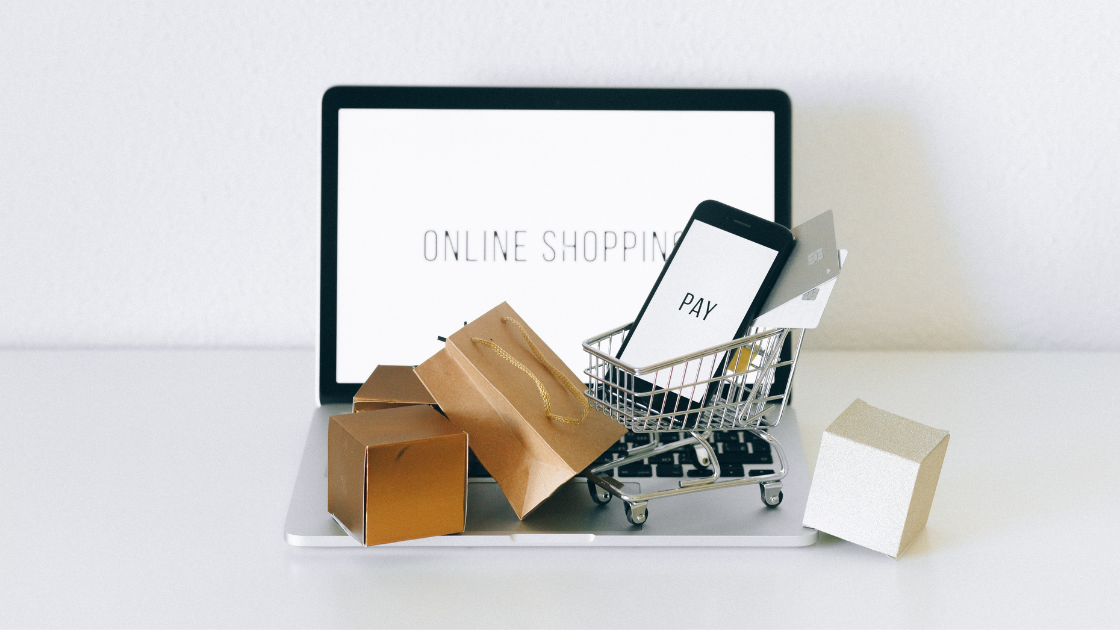

Shopping cart abandonment is one of the problems online shops have to deal with.
A very frequent problem, if you consider that on average 7 out of 10 users who put products in their shopping carts end up abandoning it, thus not completing the transition.
Do you have a problem when checking out? Find out here how to solve it.
Once you have understood the causes of this phenomenon and solved the inefficiencies that lead a potential customer not to proceed with the check-out, there is one more step to take: to increase the average value of the users’ shopping cart.
What is the average shopping cart value
This is a metric that allows us to know what is the average amount a customer spends per order placed within the eCommerce channel.
The calculation to be made is as follows
AVERAGE SHOPPING BASKET VALUE = TOTAL TURNOVER / NO. OF ORDERS
Why it is important to increase the average basket value
Increasing the average basket value is very important because it means maximising the sales of your eCommerce channel.
It is in fact a very common practice in the retail channel (have you ever arrived at the checkout and found products at a discounted price that you are offered to add to your purchase?) and it must also be applied to the online channel.
Three useful tips to increase the average cart value
1. Cross selling and Up selling
As mentioned above, cross-selling and up-selling are marketing techniques also applied in the retail sector that allow you to increase your customers’ average shopping basket. We have already talked about them, explaining three useful tips for optimising your eCommerce.
The term cross selling is used to push the customer to buy products related to those already selected; up selling, on the other hand, is used to encourage the purchase of similar products that are qualitatively superior to those assumed by the customer.
These techniques can be applied at every stage of the customer journey (we have listed and explained them here), for example by showing the most frequently purchased products together with the selected product or in general the best sellers on your online sales channel, by suggesting products via Live Chat (if you don’t know what this is, you might be interested in reading this article) or even by using cookies and tracking data for special marketing campaigns.
2. Marketing automation
Marketing automation is another tool you can use to increase the average basket value.
In other words, it is an activity that allows you to optimise the value creation processes for the user during his shopping experience by offering him interesting offers in line with his preferences. Of course, this is only possible if you monitor his behaviour from the first moment he comes into contact with the sales channel.
In fact, it is possible to send emails with content specifically designed to meet his needs and, by integrating the data with a CMR software, send ad hoc commercial communications.
3. Ad hoc promotions
Promotions are a great way of attracting customers to put products in their shopping carts that they would otherwise never have purchased. They increase the average cart value when combined with the purchase of certain products (e.g. the classic ‘you buy one product, the second one is free’). It is also possible to offer additional services, such as more flexible, reduced-price shipping or the possibility of free returns when purchasing above a certain value threshold.
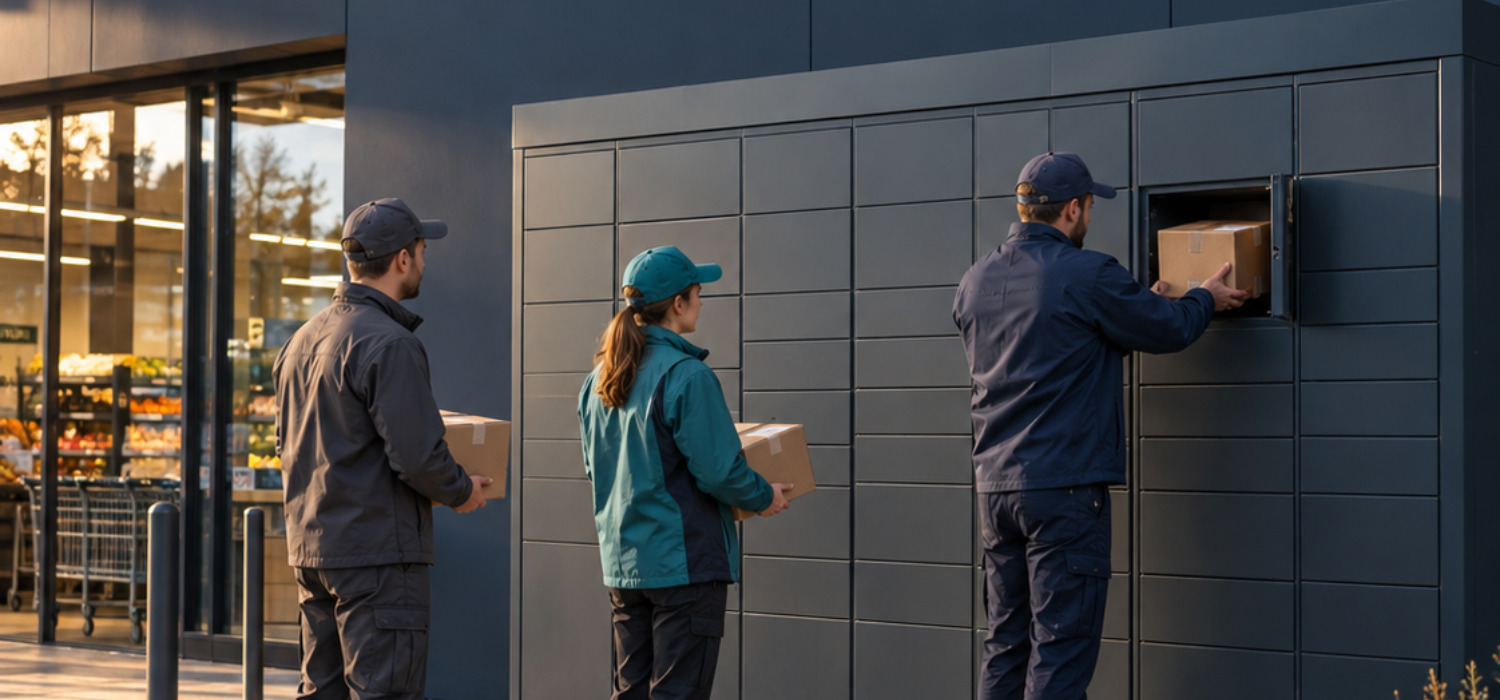
If you are interested in learning about alternative delivery options that you can offer your customers to boost sales and increase the average value of their shopping cart, you may be interested in what GEL Proximity can do for you.