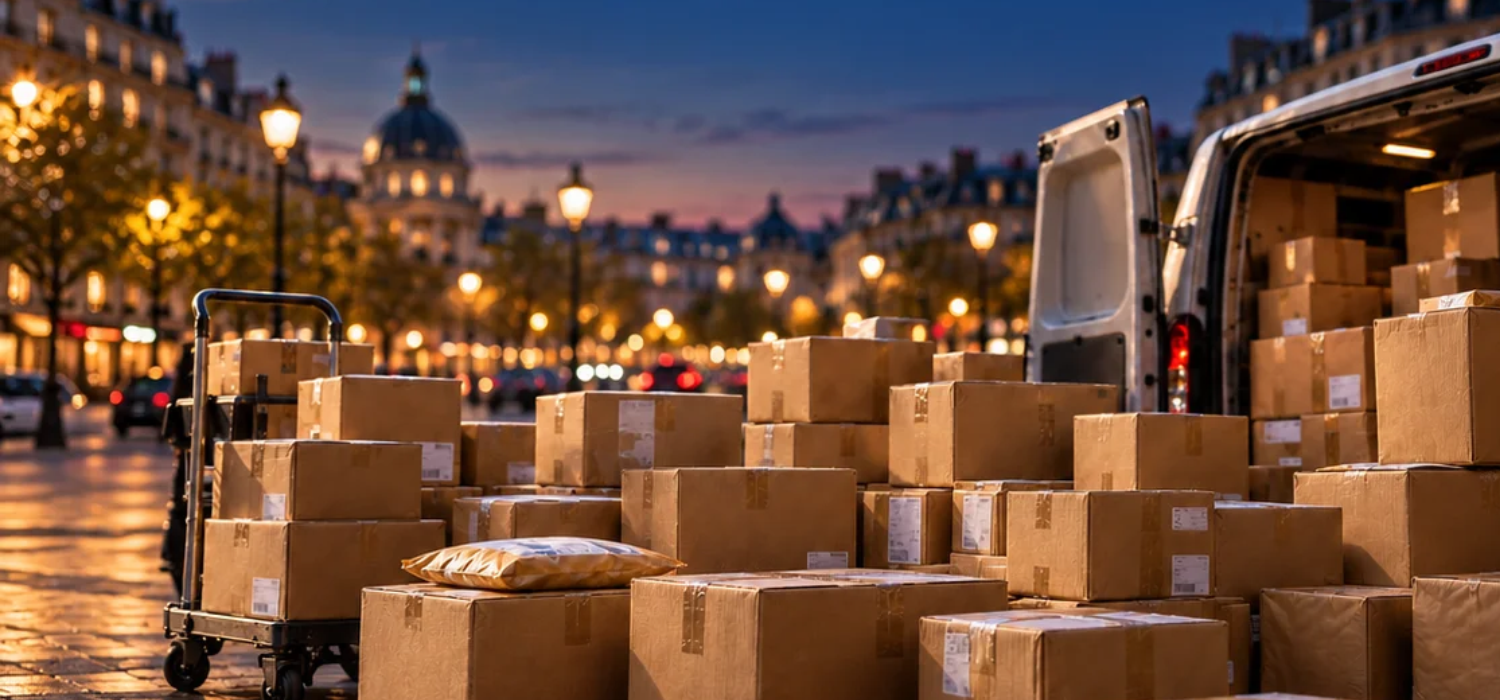

Christmas is just around the corner and at the foot of the festively decorated fir trees, the first packages begin to appear. Paper, ribbons, bows, glitter, every year we devote a lot of care and attention to wrapping presents. But do we give the same care to the environment?
We tried to do the maths and work out how much Christmas is costing our Planet. But there is also good news and good solutions…
A ‘wasted’ Christmas
According to WWF data, an average of 30% more waste is produced during the Christmas period, and the wonderful practice of exchanging gifts can produce up to 75,000 tonnes of waste.
Each kilo of gift wrap also emits 3.5 kg of Co2, while 1.3 kg of coal is used to produce it. Of course, not even the most generous people consume up to a kilo of wrapping paper, but as with everything, the actions of an individual can have a huge impact, both positively and negatively. Suffice it to say that in the UK alone, a total of around 108 million rolls of wrapping paper are consumed each year.
This is no small business when you consider that in 2018 the wrapping paper market was estimated to be worth $15 billion, a figure that will increase to $25 billion within the next three years. In other words, the market is growing and while the focus on the environmental sustainability of eCommerce is increasing, well, at the same time – we might say incoherently – our desire to pack anything and everything at the expense of the environment is also increasing.
Sustainable packaging: a gift for turnover
It’s Christmas, however, and even though the Grinch should have taught us that the spirit of the holidays lies not in presents or decorations, but in the affection of loved ones, giving up a colourful package to put under the tree is not easy.
So it is possible to take advantage of solutions that are much more sustainable and less environmentally impactful; and the same goes, of course, for eCommerce, which this year will play a leading role in Christmas shopping.
With the increase in online sales, in fact, it is essential that digital stores also equip themselves to offer their customers who buy their presents on the Web greener packaging solutions – and not only that. Don’t believe it? A 2020 study by Two Sites shows that 48% of consumers prefer not to buy from retailers that do not commit to reducing the use of plastic in packaging. In Italy, 52% of consumers say they are willing to pay more for a product if the brand actually pays attention to sustainability. Worldwide the percentage is 66%. Furthermore, according to the European Consumer Packaging Perceptions research, 75% of European consumers say they prefer ecological packaging.
To date in Italy, according to data from the GS1 Italy Observatory, the share of 100% recyclable packaging stands at 6.2%, but in the coming years it will exceed double figures. According to Market Watch, in fact, the green packaging sector will increase globally by $154 billion by 2028, i.e. 60% compared to today, reaching a total turnover of over $413 billion.
Not only packaging, even deliveries go green
Yes, but how do we get the presents – which we have realised must be packaged with an eye to the environment – under the tree? The most advanced version of the traditional reindeer sleigh is the last-mile logistics delivery van, which, however, has little to do with the snowy white. In fact, it is estimated that the last mile is the most polluting stretch of the entire logistics chain and contributes significantly to increased traffic and pollution in urban areas.
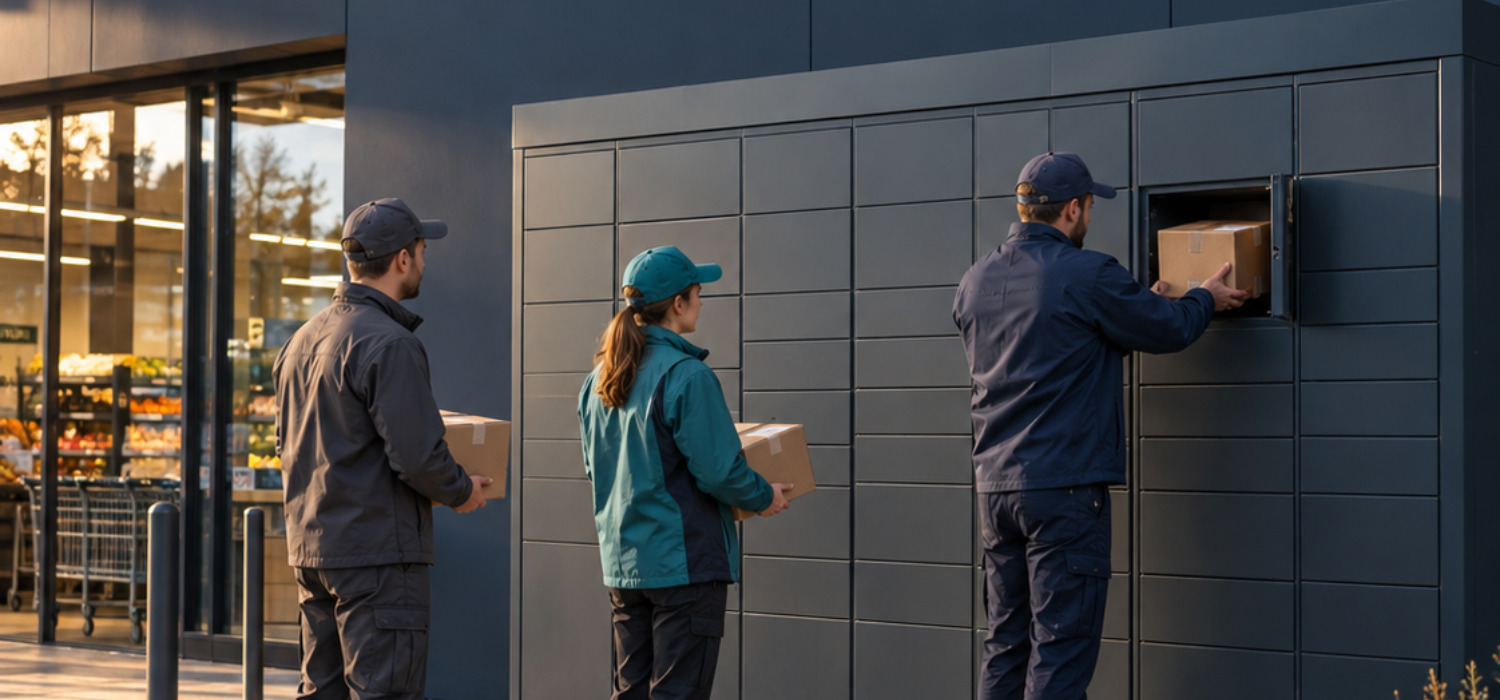
Once again, however, there is no shortage of solutions and the turning point for greener deliveries can come from Lockers and Pick-up Points that allow online orders to be picked up where and when it is most convenient for the customer, avoiding the need for couriers to go to each home (as in home delivery) and guaranteeing 100% delivery at all times.
After all, what would be the point of worrying about having the greenest packaging on the Web if we don’t also pay attention to how it is shipped to the consumer.
Here, then, is our gift to you. If you are an eCommerce manager and want to make your online store greener by providing your customers with more convenient, flexible and sustainable delivery methods, all you have to do is click here to contact us. We’ll take care of the rest, i.e. integrating your store with thousands of Lockers and Pick-up Points already active nationwide and internationally!
Ah… and Merry Christmas!