
In the context of urban logistics, the last mile is now one of the most complex and strategic challenges, especially in large cities. With the growth of e-commerce, traffic congestion, and the need to reduce environmental impact, alternative models are emerging that combine efficiency and sustainability. Among these, cargo bike deliveries are gaining ground as a concrete and increasingly in-demand solution.
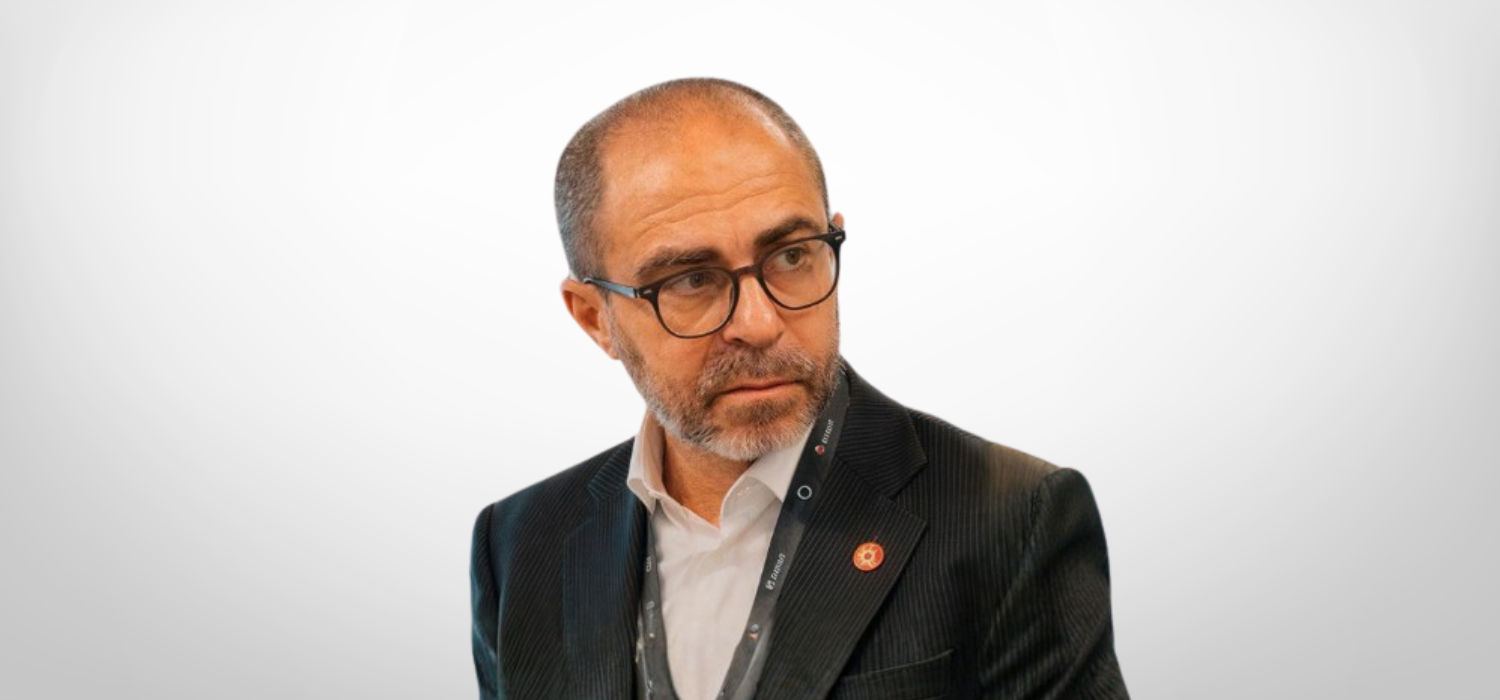
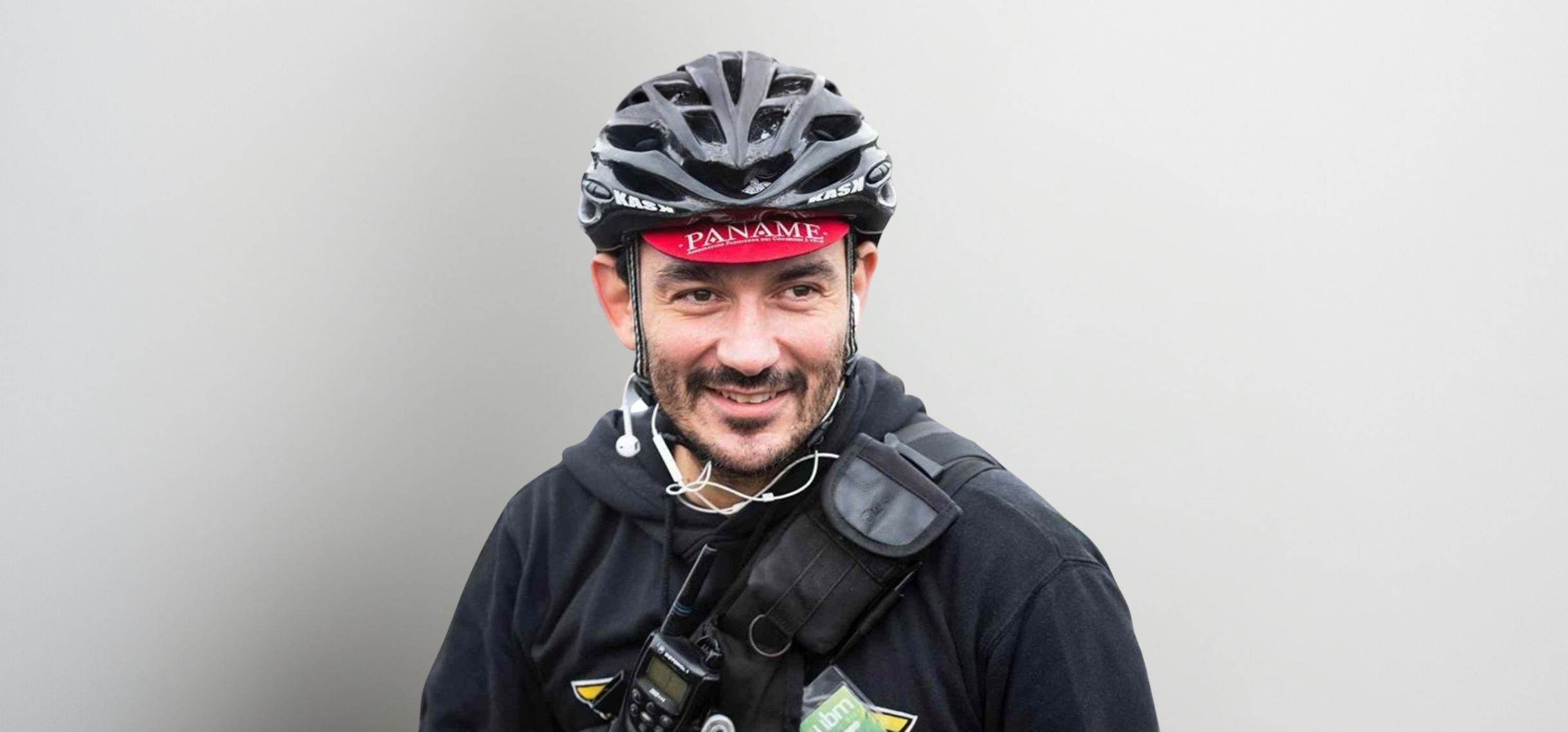
We explored these topics with Matteo Castronuovo, Operations Manager at Urban Bike Messengers, a pioneering company in Italy in the zero-impact delivery sector, to understand how last mile delivery is evolving and what role proximity-based and operationally innovative models can play.
Matteo, thank you for your time. Urban Bike Messengers was the first bike courier company in Italy: how did it start, and what market need did you identify from the beginning?
UBM was born out of the need to cover a completely untapped segment of the market: zero-impact express deliveries, while also aiming to create a highly high-performing bike messenger service.
What are the main advantages of bike deliveries compared to traditional road-based models, and for which types of deliveries are you most efficient in terms of time, cost, and reliability?
In a city like Milan, bikes—or rather cargo bikes—are the best means to move small to medium volumes in a short time. For last mile deliveries, parcel distribution, and express deliveries up to 100 kg, a bike messenger service is the best solution, not only environmentally but also in terms of speed and avoiding traffic congestion. The ability to use parks, pedestrian areas, and restricted traffic zones (ZTL), along with the extreme flexibility in navigating the city, makes bikes more efficient than traditional delivery models.
How is last mile delivery changing in large cities like Milan, in terms of volumes, delivery speed, and customer expectations?
Over the past 15 years, the business has changed completely, both due to the exponential growth of e-commerce and because more and more customers have understood the potential and advantages of using a bike messenger company for their deliveries.
How important is sustainability in customer choices today, and what role do bike delivery solutions play in reducing urban environmental impact?
We’ve noticed that, more than sustainability, what most influences customers’ choices is service quality. That said, these two elements—combined with the growth of urban logistics—have had a positive impact on the urban environment. Reduced traffic, fewer vans, a (albeit small) decrease in pollution, and less illegal parking are all direct consequences. Choosing a bike messenger company over a traditional one is therefore not just an environmentally driven decision, but one that brings benefits from multiple perspectives.
What are the main challenges of urban last mile delivery today, and how much can proximity-based models and urban hubs improve efficiency in Italian cities?
In Milan, the main limitation is clearly political vision. The lack of long-term projects aimed at reducing polluting vehicles, the minimal implementation of restricted traffic zones, and the near absence of serious investment in sustainable mobility are barriers that prevent the creation of structured, long-term investment plans—even for traditional logistics, which continues to rely on road vehicles without seriously considering valid alternatives. The failure of the partial closure of the “Quadrilatero” area is a clear example of how a lack of vision has increased vans and congestion instead of creating a real, shared long-term solution. Changing the current model by promoting proximity points and urban hubs is certainly one of the most interesting solutions, especially considering Milan’s layout.
What role does technology play in optimizing last mile deliveries, and how do you manage routes and operations in real time?
Technology plays an important role, especially in meeting customer needs for shipment tracking and management. However, when it comes to route management—particularly for express and same-day services—the expertise of professional dispatchers still provides a level of quality that automated routing struggles to match. As for parcel services, there are currently no systems capable of optimally mapping bike routes, so the know-how of each courier in managing shipments and routes remains essential and irreplaceable.
Looking at the future of last mile delivery in Italy, which solutions will be decisive in making it more efficient? What role will companies like yours play?
The future of last mile delivery, especially via cargo bikes, depends on awareness from multiple stakeholders—not just industry operators, but also local administrations, the Ministry of Transport, and social partners. Redefining urban delivery systems requires a shift in perspective and investment, bearing in mind that cities can no longer be held hostage by vans and vehicles that hinder orderly and efficient delivery processes. Redefining logistics fleets to include sustainable vehicles, investing in new professional roles, and urging institutions to redesign urban spaces to support sustainable logistics are the real challenges of the coming years.
You are involved in the Cycle Messenger World Championships 2026, which will take place in Milan from May 27 to June 1. What value does this event have for your organization and for bike messenger culture in general?
The CMWC is an extremely important moment for the global community and represents a celebration of our daily work, which is not just about deliveries but also about shared values and a strong sense of community tied to this subculture. For Milan, hosting this World Championship is the culmination of a journey that began almost 20 years ago. At the same time, it is an important recognition of the work done by the Milanese community, which over the years has grown into a reference point for the global community.
We thank Matteo Castronuovo for his time and look forward to the next interview.